Getting Your Home Ready for Winter: A Local Plumbing and Heating Checklist
Photography by Giving Campaign Contributors
Published
October 27, 2026
Reading Time
5 min read
There is a moment every autumn when the evenings draw in, the heating goes on for the first time and you find out whether your home is ready for the cold. Sometimes it is, and sometimes you discover a cold radiator or a dripping pipe on the first frosty morning. A little preparation now can save you a lot of hassle later, so here is a friendly checklist for local homeowners and landlords.
Start by Finding Your Stop Tap
If you only do one thing this month, make it this. Knowing where your stop tap is can turn a flooding emergency into a minor inconvenience. Water UK explains how to get your home winter ready, including finding your stop tap, insulating your pipes with lagging and fixing any drips before the cold arrives. It is usually under the kitchen sink or where the mains pipe enters the house, so go and check it turns easily.
Give Your Radiators a Quick Health Check
Switch the heating on and feel each radiator once it warms up. If the top is cold while the bottom is hot, trapped air is probably the culprit. The Energy Saving Trust shares a handy set of home heating tips from the Energy Saving Trust, including bleeding your radiators to clear cold spots, and reminds you to turn the heating off and let it cool before you start.
If several radiators stay cold or take ages to warm up even after bleeding, it can point to sludge in the system. That is where a power flush comes in, clearing the build-up so radiators heat evenly and your boiler does not have to work so hard.
Show Your Boiler Some Attention
Your boiler is about to work harder than at any other time of year, so it deserves a once-over. Check the pressure gauge, which should usually sit between 1.0 and 1.5 bar when the system is cold. Make sure the controls and timer are behaving, and listen for banging, kettling or gurgling, which can signal an underlying fault.
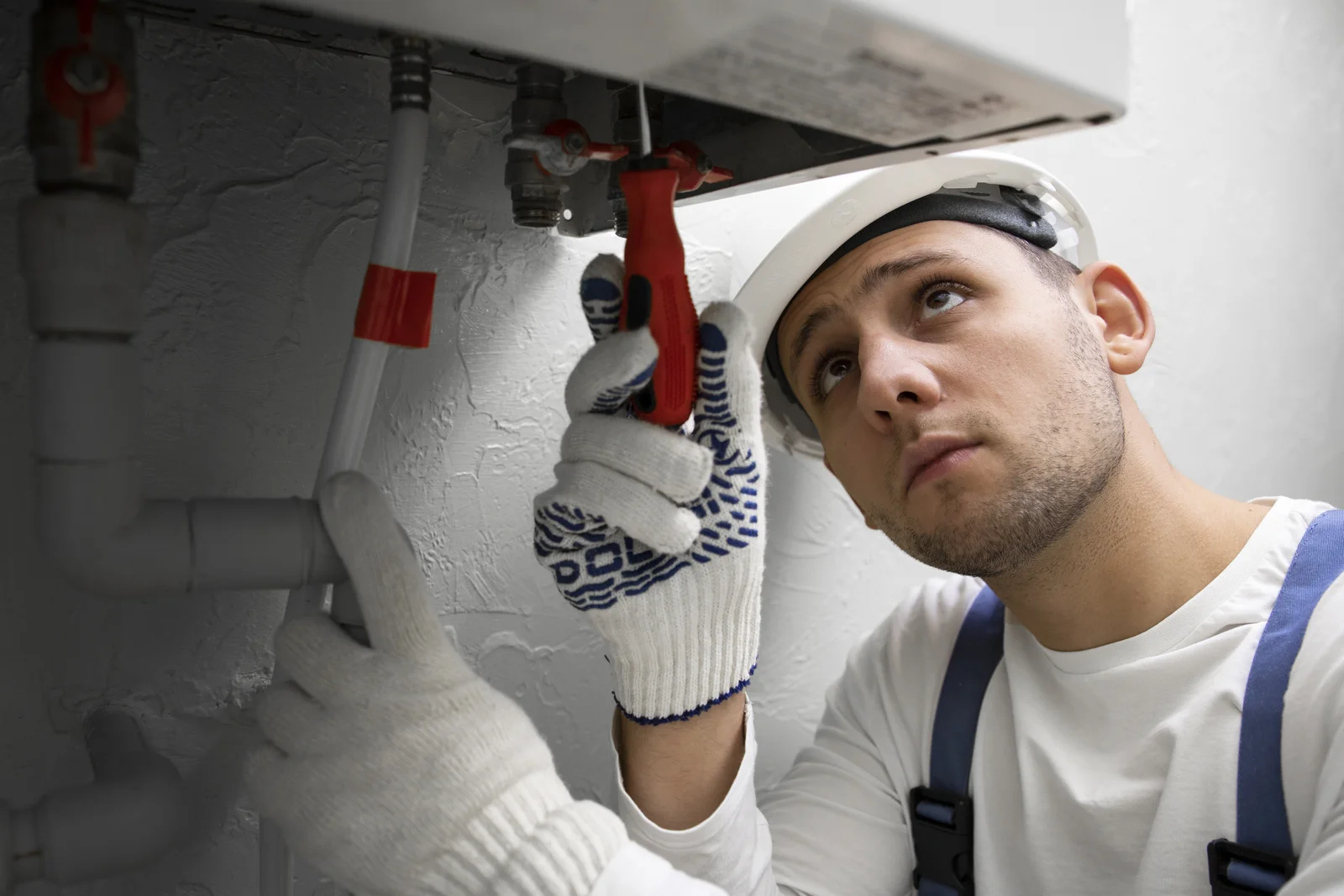
This is also the perfect time for an annual service. A local team such as K2 Gas Plumbing and Heating can check the key components and safety devices, spot worn parts early and repair most major brands. They are Gas Safe registered, based in Bromley and available around the clock, and every repair and installation comes with a 12-month warranty.
Protect Your Pipes From the Freeze and Thaw
Frozen pipes are not usually the real problem. The trouble starts when they thaw and a crack lets water escape. Thames Water has a useful page on what to do about frozen or burst pipes, including how to thaw a pipe slowly and safely and why you should check loft and garage pipes after a cold snap.
A few easy habits help. Lag any exposed pipes, including those in the loft, garage and outside. Keep the heating on low when you go out or away. And check that your home insurance covers burst pipes, because it is better to know now than in the middle of a leak.
Know Who to Call Before You Need Them
Plumbing emergencies rarely pick a convenient time. Save the number of a Gas Safe registered engineer in your phone now, so you are not searching online with a bucket in one hand. Burst pipes, no heating or hot water, a boiler lockout and overflowing toilets are all worth an immediate call.
If you ever smell gas, leave the property, avoid switches and naked flames, and call the National Gas Emergency Service on 0800 111 999 straight away.
A Quick Landlord Note
If you rent out a property, winter is a good time to make sure your annual gas safety certificate is up to date. It is a legal responsibility, and getting it done before the cold snap means any problems can be fixed before tenants are left without heating.
Final Thoughts
Winter-proofing your home does not need to be a big job. Find your stop tap, lag your pipes, bleed your radiators, book your boiler service and keep a trusted number handy. Do those five things and you will be far better prepared for whatever the weather decides to do.
Giving Campaign Editorial
Reporting on independent commerce and local economies. Previously covered retail trends for national publications.
More stories by this author