Why Shipping Containers Have Become One of the Most Versatile Storage Solutions for UK Businesses
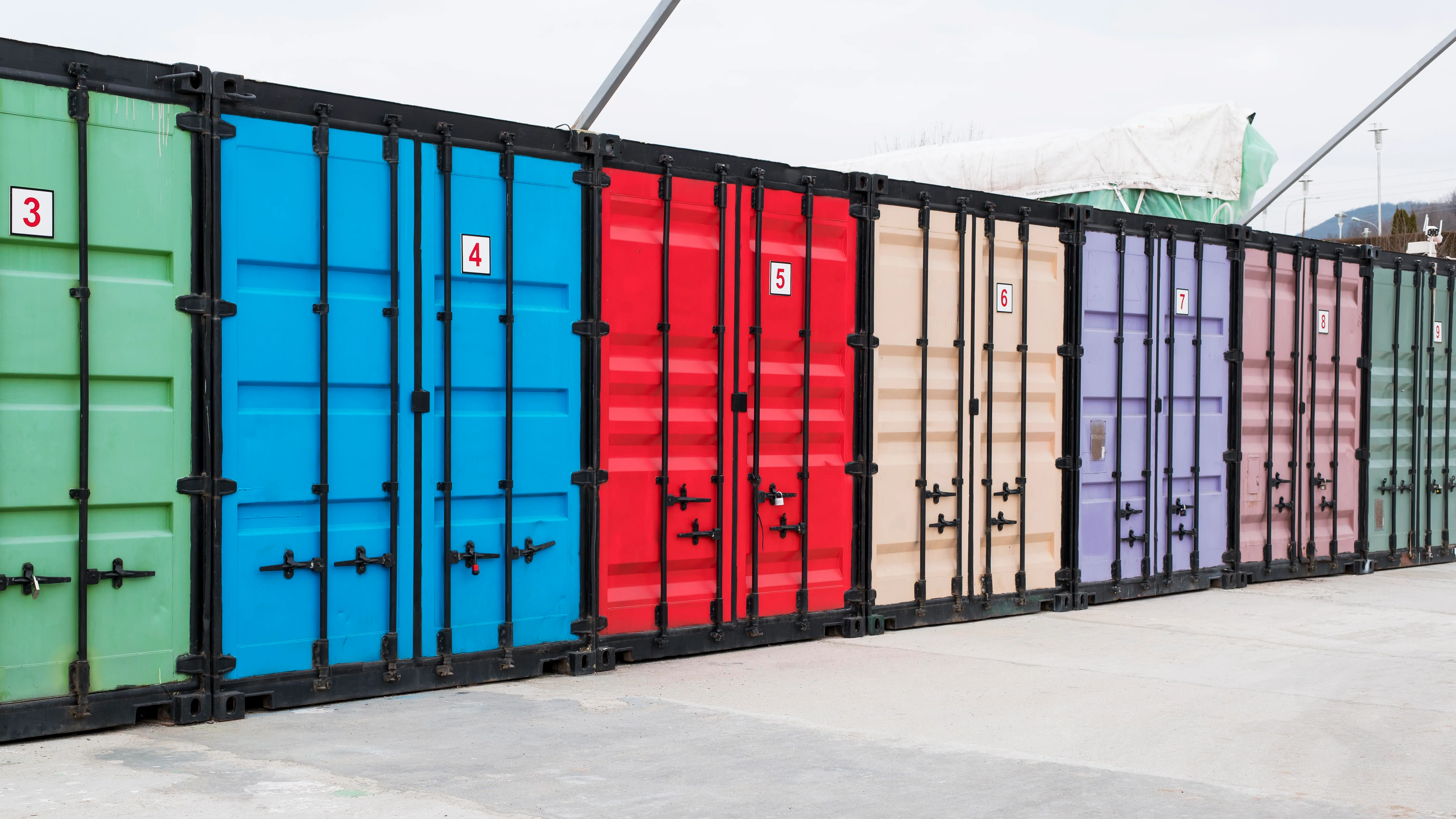
Photography by Giving Campaign Contributors
Published
May 13, 2026
Reading Time
5 min read
There was a time when shipping containers were associated almost exclusively with ports, freight yards, and the global movement of goods. That perception has shifted considerably over the last decade. Across the UK, businesses of all sizes and from almost every sector have quietly adopted shipping containers as a practical, cost-effective solution to a problem that never goes away: the need for reliable, secure space.
From construction sites and agricultural holdings to retail operators and event organisers, the appeal of a container comes down to a straightforward combination of durability, security, and flexibility. Unlike a permanent structure, a container can be positioned where it is needed, moved when circumstances change, and put to an entirely different use the following year. For businesses operating in environments where needs shift regularly, that adaptability is genuinely valuable.
The Range of Business Uses That Have Made Containers Mainstream
The construction industry was among the first commercial sectors to recognise what containers could offer outside of their original purpose. A secure, weatherproof unit on a building site keeps tools, materials, and equipment protected overnight and between phases of a project. For contractors working across multiple sites, having a container that travels with the job removes a significant logistical headache.
Retailers and market traders have found containers equally useful, both as back-of-house storage and, increasingly, as the trading unit itself. The pop-up retail movement has made converted containers a familiar sight at festivals, food markets, and urban regeneration projects across the country. A well-converted container offers a branded, weatherproof trading space that can be transported to different locations and reused across seasons without the overheads associated with a permanent shop unit.
For businesses in the events and hospitality sector, containers have become a go-to solution for everything from bar units and ticket booths to backstage storage and production offices. Their structural integrity means they can be stacked, modified, and fitted out to a surprisingly high specification, while their inherent robustness makes them well suited to the demands of outdoor and temporary environments.
Why the 15ft Container Has Become a Practical Favourite
Standard shipping containers come in 20ft and 40ft lengths, but for many businesses these dimensions are either more than is needed or simply too large for the available space. The 15ft container has grown in popularity precisely because it hits a practical middle ground. It offers a meaningful amount of internal storage without the footprint of a full-size unit, making it well suited to tighter yards, smaller sites, and businesses that need a manageable rather than maximum capacity solution.
For many UK businesses, sourcing reliable 15ft containers hits a sweet spot that larger units simply do not. It offers enough internal capacity to make a genuine difference to on-site storage without demanding the footprint of a full 20ft or 40ft unit, making it a practical choice for tighter yards, smaller sites, and operations where space on the ground is at a premium.
Security, Durability and What Businesses Actually Need From a Storage Unit
One of the most consistent reasons businesses cite for choosing a container over alternative storage solutions is security. A steel shipping container with a quality lockbox fitted over the door handles offers a level of resistance to forced entry that a timber storage building or a fabric-sided shelter simply cannot match. For businesses storing equipment, stock, or materials with a significant combined value, that difference matters.
Durability is the other factor that consistently sets containers apart. Built to withstand the conditions of ocean freight, a well-maintained container will perform reliably outdoors for decades. The Corten steel used in container construction is specifically designed to resist corrosion, forming a stable oxide layer over time that actually slows further deterioration. For a business looking at the total cost of ownership over a ten or fifteen year period, that longevity compares favourably with most alternative structures.
The Health and Safety Executive provides guidance on workplace storage safety that is worth reviewing for any business setting up a new storage solution on site, covering everything from safe stacking and load bearing to access and fire safety considerations. Getting the setup right from the outset avoids issues further down the line, particularly when following guidance on workplace storage safety.
How Other Sectors Are Innovating With Container Space
Beyond straightforward storage, the commercial use of containers has expanded into territory that would have seemed unlikely even fifteen years ago. Architects and developers have used them as modular building blocks for offices, studios, and temporary accommodation. Schools and healthcare providers have deployed them as additional classroom and consultation space during building works. Breweries, coffee roasters, and independent food producers have fitted them out as compact production units.
This breadth of application has created a healthy market of specialist converters and suppliers across the UK. One example of a supplier operating at scale in this space works with both businesses and individuals on storage, conversion, and bespoke container projects across the country. Seeing examples of container storage and conversion projects across the UK is a useful reference point for any business still thinking through how a unit might work for them.
Making the Right Choice for Your Business
The decision to invest in a container comes down to understanding your actual requirements rather than defaulting to the largest or cheapest option available. The size of the unit, the condition grade, the access configuration, and whether any modification is needed all affect how well it will serve the business in practice. Taking the time to work through those questions before purchasing avoids the common mistake of buying on price alone and ending up with a unit that does not quite fit the purpose.
For UK businesses, the shipping container has moved well beyond its origins as a box for moving freight. It is now a genuinely flexible commercial asset, and for the right application it represents one of the better value investments a business can make in its own operational infrastructure.
Giving Campaign Editorial
Reporting on independent commerce and local economies. Previously covered retail trends for national publications.
More stories by this author