Why Pet Eye Problems Need a Specialist
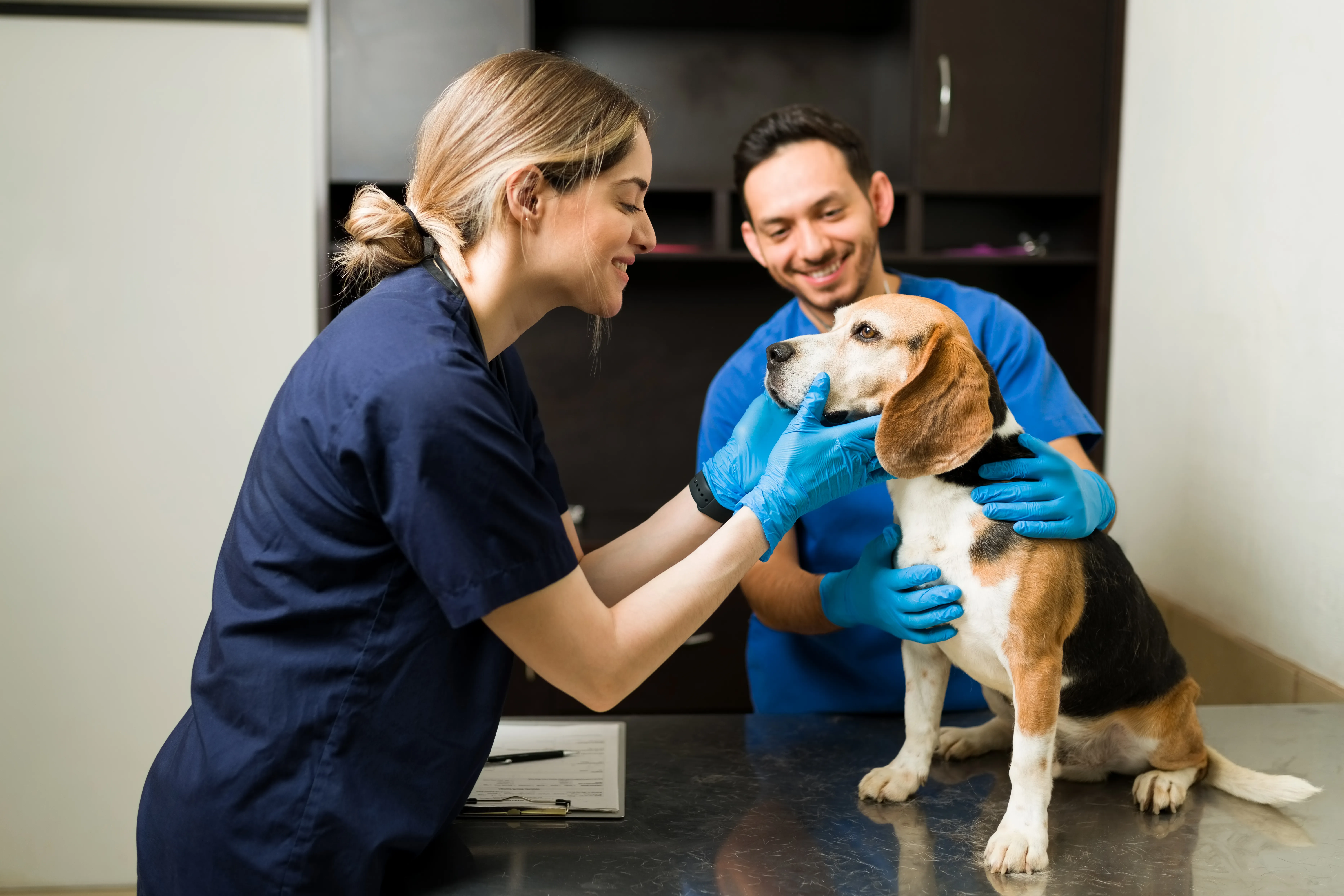
Photography by Giving Campaign Contributors
Published
April 25, 2026
Reading Time
5 min read
When a pet develops an eye problem, most owners trust their regular vet to manage it. In many cases that trust is entirely well placed. But there is a persistent and genuinely harmful assumption in pet ownership that a general vet can handle everything, including complex eye conditions that require specialist knowledge and equipment most practices simply do not have. That assumption, left unchallenged, costs some animals their sight.
Veterinary ophthalmology is a distinct specialism. The equipment required to properly examine, diagnose and treat ocular conditions ranges from slit lamp biomicroscopes to electroretinography units, and the surgical skills involved in procedures like cataract removal or corneal reconstruction take years of dedicated training to develop. A well-meaning general practitioner with a standard ophthalmoscope is not the same thing, however experienced they may be in other areas.
What a Specialist Referral Actually Means
There is genuine confusion among pet owners about what the title of specialist actually means in a veterinary context. It is not simply a marketing term. According to the Royal College of Veterinary Surgeons, vets have a professional responsibility to recognise when a case is outside their area of competence and refer accordingly. Referring vets are also required to ensure clients understand the difference between an RCVS-listed specialist and a vet who is simply willing to accept the case, and that distinction matters enormously when dealing with something as time-sensitive as a deteriorating eye condition.
Eye conditions that particularly warrant specialist attention include cataracts, where early assessment dramatically improves surgical outcomes, glaucoma, which can cause permanent blindness within hours if untreated, corneal ulcers not responding to standard treatment, sudden vision loss, and hereditary conditions in at-risk breeds. In each of these cases, the gap between a general practice assessment and a specialist examination is not a marginal one.
The Time Factor Is Not a Minor Detail
One of the most damaging aspects of the "my vet can handle it" myth is the delay it creates. Owners wait to see if a condition resolves. Vets try successive treatments before considering referral. Weeks pass. In conditions like acute glaucoma, that delay can be the difference between a treatable problem and an irreversibly blind eye.
This is why access to a responsive, local specialist service matters as much as the expertise itself. View Referrals in Edinburgh is an independent veterinary ophthalmology service operating across Central Scotland, holding clinics within existing first-opinion practices to reduce travel stress and keep expert care close to where patients already are. The local availability removes one of the most common reasons referrals get delayed, the logistical inconvenience of travelling to a distant referral centre.
Independent Does Not Mean Inferior
A second myth worth addressing is the assumption that large referral hospital centres are automatically the gold standard and that smaller independent services are a compromise. In veterinary ophthalmology the opposite is often true. In the Midlands, Focus Referrals is a good example of an independent specialist-led service with a strong reputation for surgical outcomes and the kind of calm, considered approach that anxious pets and worried owners need.
Independent specialist services are frequently led by highly experienced clinicians who have chosen to work outside corporate structures precisely because it gives them the freedom to focus on patient care rather than throughput targets. Personal accountability and genuine investment in each case are features of independent practice that large institutions can struggle to replicate.
The Right Question to Ask Your Vet
If your pet has an eye problem that is not resolving quickly, the right question to ask is not "will this get better?" but "should this be seen by a specialist?" A good vet will welcome that question. The referral system exists for a reason, and using it promptly is not a failure of trust in your regular practice. It is the most responsible thing you can do for your pet's vision.
Giving Campaign Editorial
Reporting on independent commerce and local economies. Previously covered retail trends for national publications.
More stories by this author