Where Does Your Old Furniture Actually Go? A Look at Responsible Waste Clearance in London
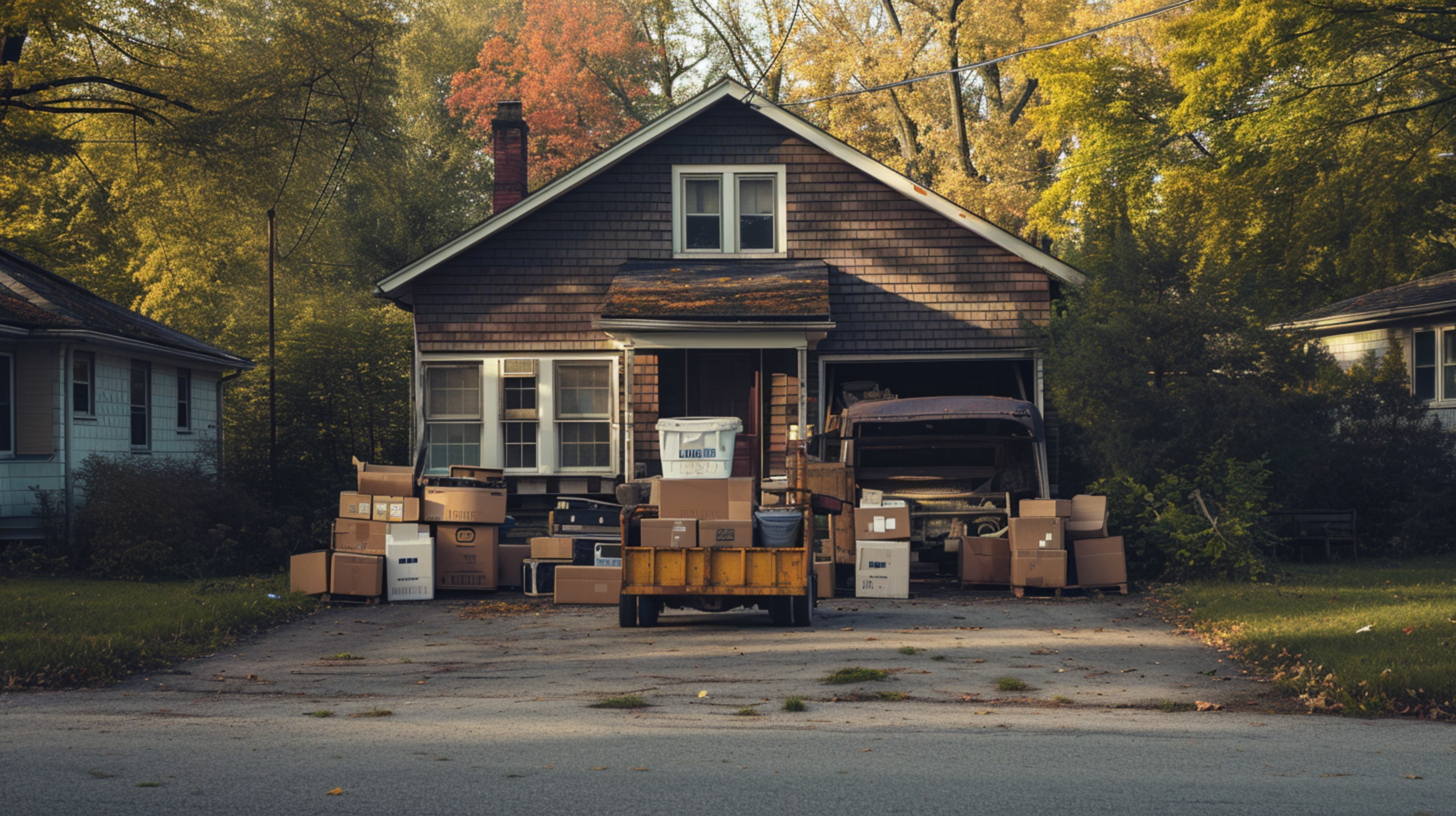
Photography by Giving Campaign Contributors
Published
September 16, 2026
Reading Time
5 min read
Ever wondered what actually happens to that sofa once it's hauled out the front door? For a lot of Londoners, "out of sight, out of mind" is as far as the thought goes. But behind every bulk clearance, whether it's a full house move, a garden tidy-up, or just a long-overdue declutter, there's a whole process that decides whether your old furniture ends up helping someone else, or just sitting in a landfill.
More gets reused than you'd think
The good news is that more of it than you'd think can actually be reused. A lot of London's clearance companies now sort what they collect, pulling out anything still in decent condition before it ever gets near a skip. Solid furniture, working appliances, even old tools and kitchenware, plenty of it has a second life ahead if it's handled properly rather than just chucked.
Local firms like Bulk Waste Bros take this sorting seriously, separating out anything reusable before the rest goes for recycling or disposal. It's a small shift in approach, but it makes a real difference to how much actually ends up in landfill versus getting a second chance.
Where donated items end up
A lot of what gets donated locally goes through charities and reuse schemes that redistribute furniture to people who need it, families setting up a new home, people rebuilding after a difficult period, or local shelters furnishing a space from scratch. Groups like the Reuse Network coordinate this kind of redistribution across the country, turning what would've been waste into something genuinely useful for someone else nearby.
Furniture that's too worn to be donated directly can often still be picked up by local reuse projects for restoration. Organisations such as the Emmaus communities across London take in donated furniture, repair what they can, and sell it on affordably, supporting people who've experienced homelessness in the process.
What happens to the rest
Recycling plays a big part too, especially for items that are too worn to reuse but still made of materials worth recovering. Wood, metal, and fabric can often be broken down and repurposed rather than sent straight to landfill, which is part of why proper sorting at collection matters so much. Recycling guidance from Recycle Now, the national recycling campaign, sets out how this kind of responsible handling is meant to work, and it's a good reference point for anyone curious about where their old belongings should legally end up.
Local support across London
For anyone in London specifically, local council recycling centres also play a role, particularly for bulkier items that clearance companies can't rehome directly. The Greater London Authority publishes guidance on borough-level recycling and waste services, which is worth a look for anyone wanting to understand exactly where their local options lead.
So next time a clearance is on the cards, it's worth asking where things are actually headed. A responsible clearance doesn't just clear space, it quietly keeps good furniture in circulation and out of landfill, which is a small thing that adds up to a real difference across a city the size of London.
Giving Campaign Editorial
Reporting on independent commerce and local economies. Previously covered retail trends for national publications.
More stories by this author