When Ground Conditions Get Complicated: Understanding Specialist ODEX Piling
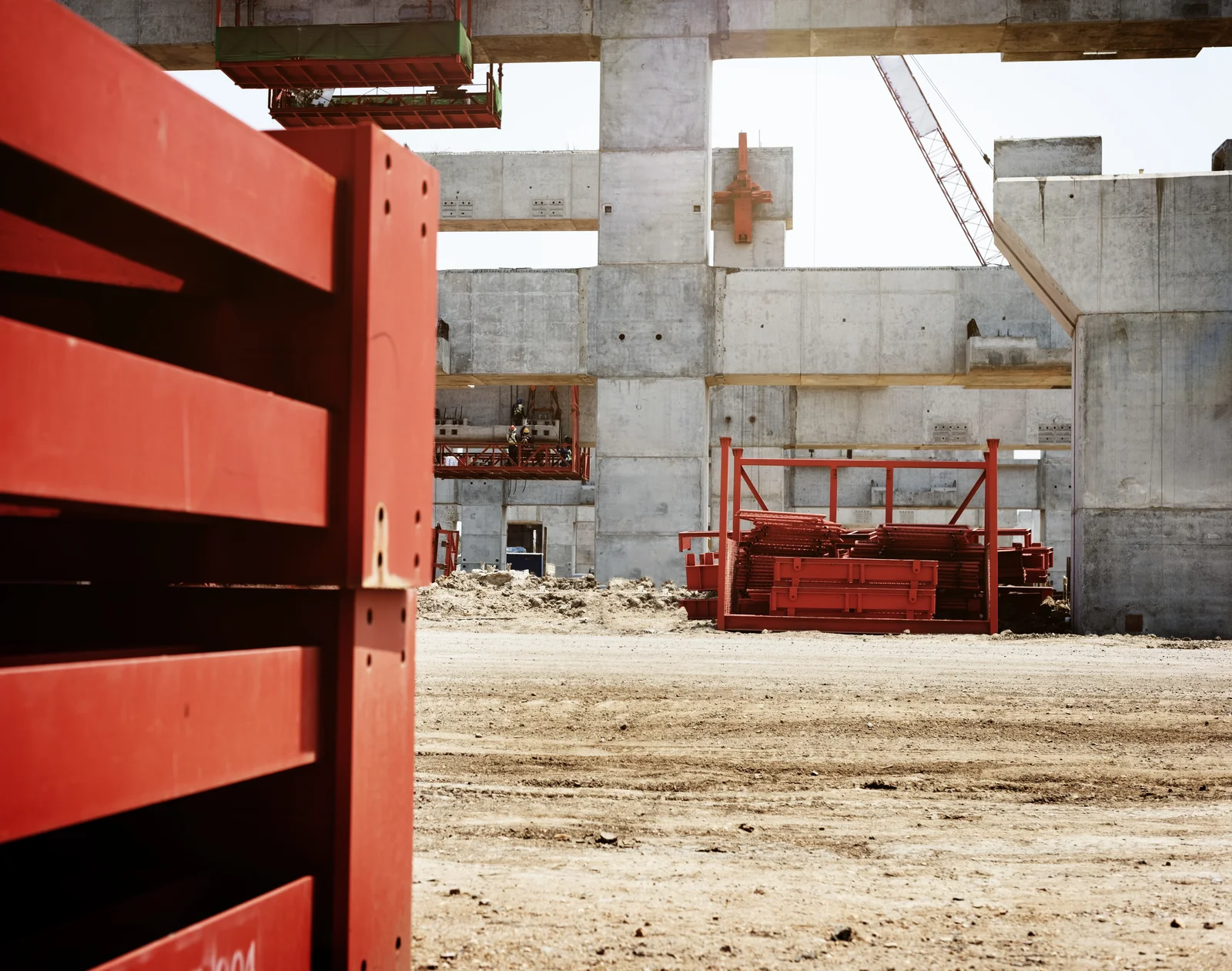
Photography by Giving Campaign Contributors
Published
November 23, 2026
Reading Time
5 min read
ODEX piling is particularly useful when a construction project encounters ground that makes conventional drilling difficult. Loose superficial soils, Made Ground, buried obstructions and underlying rock can all create challenges when forming stable foundations. Rather than treating these conditions as reasons to abandon a proposed design, specialist drilling techniques can provide another way forward.
The method combines percussive drilling with casing installation, helping to support the sides of the borehole as drilling progresses. This makes it a useful option for projects where maintaining the integrity of the pile is just as important as reaching the required depth.
What Makes ODEX Piling Different?
ODEX stands for Overburden Drilling Eccentric. It is a specialist drilling technique that uses a down-the-hole hammer and an eccentric reaming bit to advance through ground that may be difficult to penetrate using conventional equipment.
As the drill progresses, the reaming action creates an opening wide enough for the steel casing to follow. This casing supports the surrounding ground and helps prevent loose or unstable material from collapsing into the borehole. Once the required depth is reached, the drilling equipment can be changed to form a socket in the underlying rock where the design requires it.
The combination of drilling and casing makes ODEX particularly useful where ground conditions change significantly over relatively short distances.
When Conventional Piling Isn't Enough
Not every site provides predictable layers of soil and rock. Previous construction, demolition and ground disturbance can leave behind Made Ground containing rubble, concrete fragments and other obstructions. Natural ground can be just as challenging, with loose deposits, boulders or irregular rock formations complicating foundation work.
ODEX piling can help overcome many unreinforced obstructions and continue through overburden to reach a suitable founding layer. It can also be useful where piles need to extend into competent rock, providing a socket that contributes to the foundation's load-bearing capacity.
However, it isn't automatically the right choice for every project. Ground investigations, structural requirements, access restrictions and the available equipment all influence which piling method makes the most sense.
How Specialist Contractors Approach Difficult Ground
Different piling contractors offer different equipment and engineering capabilities, so understanding the available options can help when planning a challenging project.
GeMech: Specialist ODEX Piling Solutions
For projects requiring a specialist approach, GeMech's ODEX piling services cover applications including bearing piles, embedded piled retaining walls and tension anchors. Its equipment can install ODEX piles using relatively lightweight rigs, with certain operations possible in headroom as low as 2.5 metres. This can be particularly useful when working within existing buildings or sites where access is restricted.
Roger Bullivant: Working Through Obstructed Ground
Roger Bullivant also provides ODEX piling for projects involving underground obstructions, dense strata and rock formations. Its technical information highlights the method's use on sites affected by mine workings and solution voids, where understanding what lies beneath the surface is essential to selecting a suitable foundation solution.
Dawson Foundation Engineering: Piling and Ground Engineering
Dawson Foundation Engineering offers overburden drill and case piling alongside other foundation techniques. Its ODEX services cover projects where piles need to pass through challenging overburden before forming a socket in rock, including sites with boulders and dense granular ground.
Saxton Drilling: Ground Stability Solutions
Saxton Drilling provides ODEX piling for retaining wall applications, using steel casing and down-the-hole hammer equipment to penetrate difficult ground and reach solid rock. Its wider ground stability services also demonstrate how piling can form part of a broader approach to challenging site conditions.
Why Ground Investigations Still Matter
Specialist equipment can make difficult ground more manageable, but successful piling begins long before a rig arrives. Understanding the site's geology, identifying potential obstructions and locating existing underground services all help inform the design and installation process.
The Health and Safety Executive's guidance on excavation safety highlights the importance of providing contractors with information about ground conditions, underground structures and existing services before work begins. This information is particularly relevant when planning drilling and piling operations.
A thorough review also helps engineers decide whether ODEX is appropriate or whether another technique would provide a more practical solution.
Choosing the Right Foundation Method
Difficult ground doesn't necessarily mean a project needs a completely different design, but it does mean the foundation method deserves careful consideration. ODEX piling provides a way to drill through challenging overburden while maintaining casing support, making it a valuable option for certain residential, commercial and civil engineering projects.
The most effective approach is to match the equipment and piling technique to the actual conditions on site. With suitable investigation and specialist input, even complicated ground can be approached with a clearer plan for achieving stable, reliable foundations.
Giving Campaign Editorial
Reporting on independent commerce and local economies. Previously covered retail trends for national publications.
More stories by this author