What Makes Professional Pressure Washing More Effective Than Consumer Equipment?
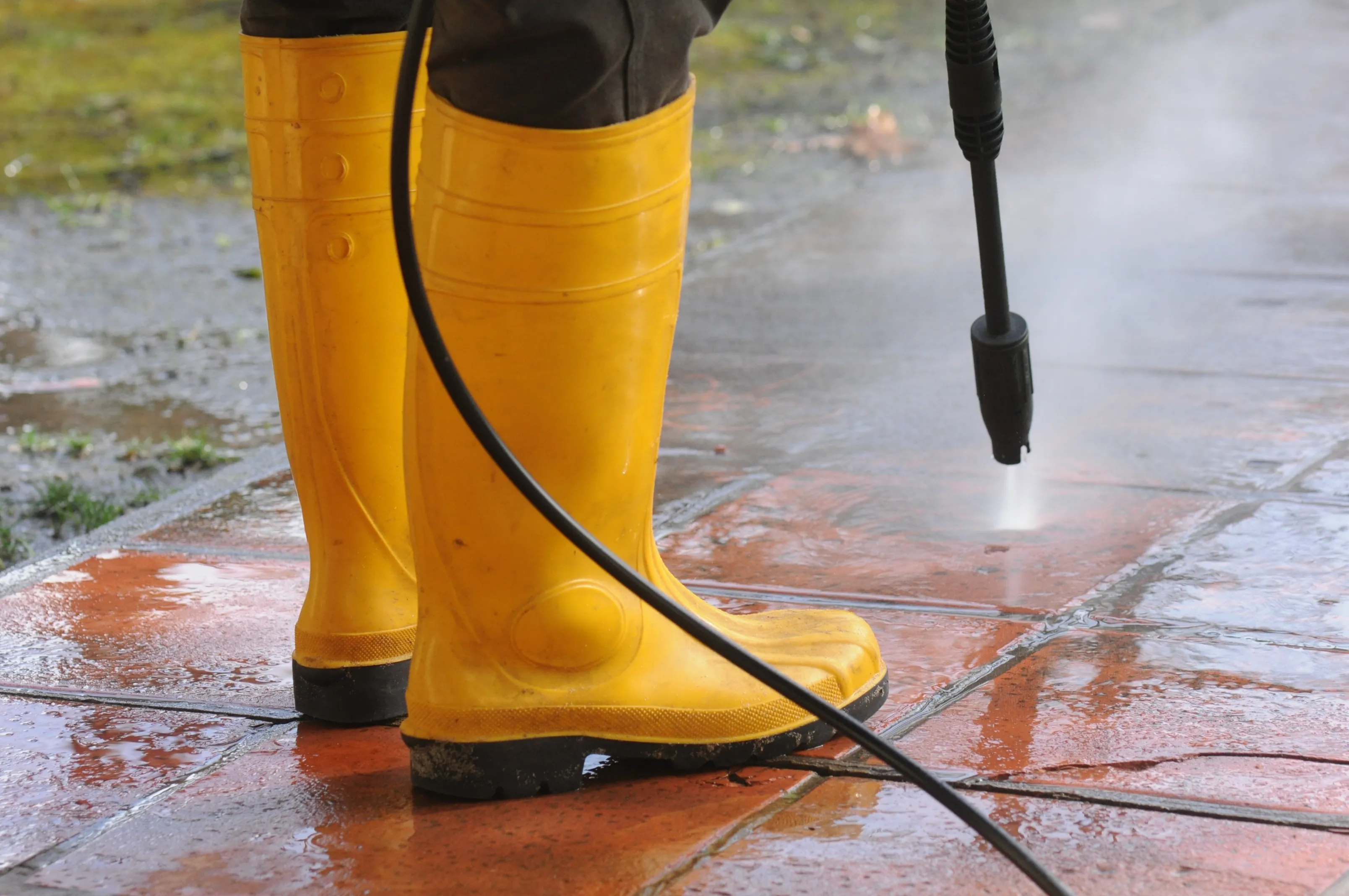
Photography by Giving Campaign Contributors
Published
May 12, 2026
Reading Time
5 min read
You have seen the machines in B&Q. You have watched the YouTube videos where someone transforms a grimy driveway in minutes. You have maybe even borrowed one from a neighbour. And yet, somehow, the patio still looks a bit grey. The moss came back by spring. One corner of the brickwork went a shade lighter than the rest.
Here is the thing nobody really tells you upfront: a consumer pressure washer and a professional pressure washer are not the same tool doing the same job at different price points. They are fundamentally different pieces of equipment, and the gap between them is wider than most people expect.
Stop Comparing PSI and Start Asking About Flow Rate
The first thing people compare is pressure, measured in PSI or bar, with consumer machines typically reaching 130 to 150 bar and professional units often starting at 200 bar or higher. But pressure alone is not what delivers the best results.
Flow rate, measured in litres per minute, is what actually carries loosened dirt away from the surface, and professional machines usually provide two to three times the flow rate of domestic alternatives, leading to faster and more thorough cleaning. Professional equipment also often uses hot water systems reaching 80°C or more, which are far more effective against oil stains, algae, and ingrained organic matter because the heat helps break down grime in a way cold water simply cannot.
One Wrong Setting and You're Replacing Your Pointing
This is where things get genuinely costly if you get them wrong. Soft sandstone, pointing between brick courses, painted render, and wooden decking all have thresholds. Go past them and you are not cleaning the surface, you are degrading it. Blasting natural stone with the same settings you'd use on a concrete driveway is one of the most common and expensive mistakes DIYers make.
Professional operators understand the difference between high-pressure jetting, low-pressure soft washing, and steam cleaning, and critically, they know which one applies to each surface. The Water Jetting Association, the UK's trade body for the industry, developed a dedicated Pressure Washing Code of Practice for exactly this reason. The consequences of getting technique wrong, whether that is surface damage, chemical runoff, or operator injury, are more serious than most people assume going in.
Why Your Clean Only Lasts Two Months
Here is something the hire shops do not mention. Pressure alone does not kill anything. It removes what is visible. But moss, algae, and lichen are biological, and if you do not treat the surface after cleaning, regrowth starts within weeks. By the following summer you are back to square one wondering why you bothered.
Professional operators use post-treatment biocides that work at a biological level, killing the organism rather than just dislodging it. The detergents used during the clean are a different grade too, formulated to break down organic matter and oils rather than just adding a bit of slip to the water. That combination is what separates a result that still looks good in October from one that has gone by August.
The Gear They Bring That You Probably Haven't Heard Of
Professional setups do not just have a better machine. They have better everything around it. Flat surface cleaners, the rotary heads that clean in a consistent circle rather than leaving tell-tale streaky lines, are standard kit on professional jobs but rarely included with domestic units. Calibrated turbo nozzles, extended lances, and hoses rated for sustained commercial use all contribute to the finish you actually see.
Pressure Washing in Bromley has become increasingly popular amongst residents looking to restore driveways, patios, and brickwork without the disappointing results that come from hiring a domestic machine for the weekend. The demand makes sense when you consider how much of the housing stock in the area has older natural stone and block paving that genuinely needs the right technique rather than just brute force.
Knowing When to Actually Bother Hiring Someone
Not every job needs a contractor. A garden path, a modest patio, or a set of garden chairs is manageable as a DIY job. The case for bringing in a professional gets much stronger with larger areas, natural stone, moss-heavy roofs, render, or anything where a mistake would cost more to fix than the job was worth in the first place.
Pressure washing in Manchester has seen a similar surge in demand across Greater Manchester and Cheshire, with residents increasingly turning to professional operators for the bigger and trickier jobs that a consumer machine simply is not built for. It is not hard to see why, given how much older terraced housing and flagstone paving exists across the region, surfaces that punish the wrong technique quickly.
The equipment gap between consumer and professional is real. Understanding what it actually means, flow rate, heat, surface knowledge, post-treatment, helps you make the call sensibly rather than discovering the hard way that not all pressure washers are created equal.
Giving Campaign Editorial
Reporting on independent commerce and local economies. Previously covered retail trends for national publications.
More stories by this author