The Rise of Independent Skincare: Why More Founders Are Choosing UK-Made
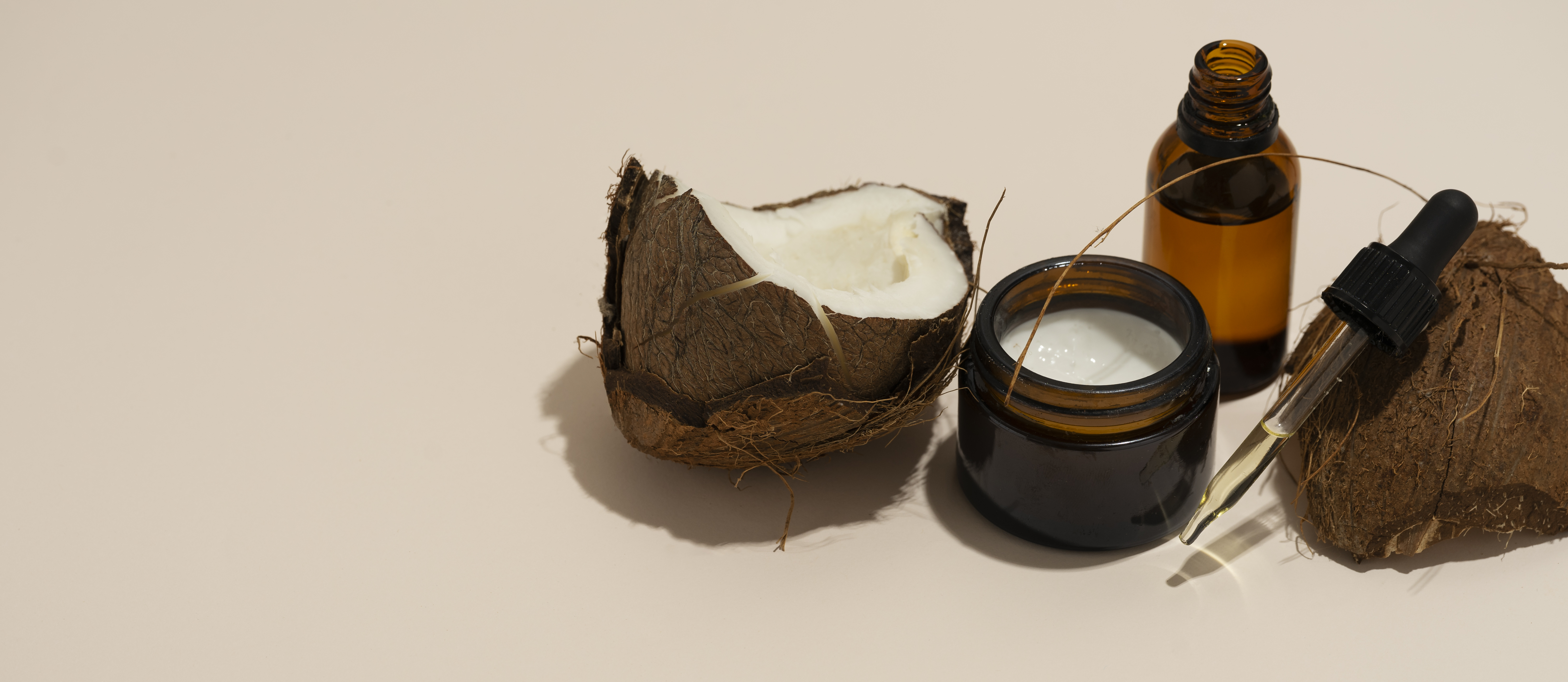
Photography by Giving Campaign Contributors
Published
June 19, 2026
Reading Time
5 min read
There has never been a better time to launch a skincare brand from a spare room, a laptop and a genuinely good idea. Social media has flattened the playing field between household names and one-person startups, and shoppers are increasingly drawn to the story behind a product rather than just the packaging on the shelf. But behind almost every independent skincare label sits something less glamorous and far more important: a manufacturer who actually makes the stuff.
For a growing number of founders, that manufacturer is based right here in Britain.
Why "Made in the UK" Has Become a Selling Point
A decade ago, plenty of new beauty brands looked overseas for production, chasing lower minimum order quantities or cheaper unit costs. That calculation has shifted. Shoppers now scrutinise ingredient lists and provenance more closely, and a "manufactured in the UK" claim carries genuine weight with customers who want shorter supply chains, tighter regulatory oversight and less environmental impact from shipping. Founders have noticed, and many are actively seeking out domestic partners rather than treating UK manufacturing as a fallback option.
Family-Run Expertise Still Counts
Not every manufacturer chasing this demand is a slick new operation. Some of the most established names in the sector have been quietly perfecting their craft for decades. Wordsworth (UK) Ltd, a family-run contract manufacturer based in Manchester that has been producing fine toiletries and personal care products since 1983, is a good example of this kind of longevity. Its in-house lab and blending facilities allow smaller brands to develop bespoke formulations without needing their own factory, something that would have been financially out of reach for most independent founders even five years ago.
Small Batch Doesn't Mean Small Ambition
One of the biggest shifts in the sector has been the willingness of manufacturers to work with brands that are still finding their feet. Micro and pilot batch production, once considered a niche service, is now central to how many labs operate. In Cambridgeshire, Star Colour Laboratories has built its reputation on flexibility, working with everyone from indie skincare labels to established retailers and offering the kind of low minimum order quantities that let a first-time founder test the market without overcommitting financially.
Natural and Ethical Positioning Is Driving New Partnerships
Ingredient transparency has become one of the clearest differentiators in the crowded skincare space, and manufacturers are adapting accordingly. Hera Beauty, based in Peterborough, has positioned itself specifically around natural, vegan and cruelty-free formulations, offering end-to-end product development for brands that want that ethical story to run through every stage of production, not just the marketing copy. For founders whose entire brand identity rests on sustainability, working with a manufacturer who shares that outlook from the outset can make the difference between a genuine claim and a hollow one.
Regulation Is Getting More Complex, Not Less
None of this happens in a vacuum. UK cosmetic products are subject to strict safety assessment, labelling and notification requirements, and getting this wrong can be costly for a small brand without in-house regulatory expertise. In Horsham, West Sussex, Cosmetics Lab has built its offering around exactly this, pairing formulation and production with testing and compliance support so founders are not left navigating the rules alone. Trade bodies like the Cosmetic, Toiletry and Perfumery Association also play a significant role here, providing guidance that helps both manufacturers and emerging brands stay on the right side of the rules as legislation continues to evolve.
A Sector Built on Partnership
What ties all of this together is a simple truth: independent skincare brands rarely succeed alone. Behind every viral serum or cult-favourite moisturiser is usually a manufacturer willing to take a chance on an unproven idea, refine it in the lab, and produce it at a scale the founder could never manage alone. As more shoppers ask where their products actually come from, the UK's network of contract manufacturers, spread from Manchester to the South East, looks set to remain at the centre of the country's independent beauty scene for years to come.
Giving Campaign Editorial
Reporting on independent commerce and local economies. Previously covered retail trends for national publications.
More stories by this author