Sourcing Local: The True Cost
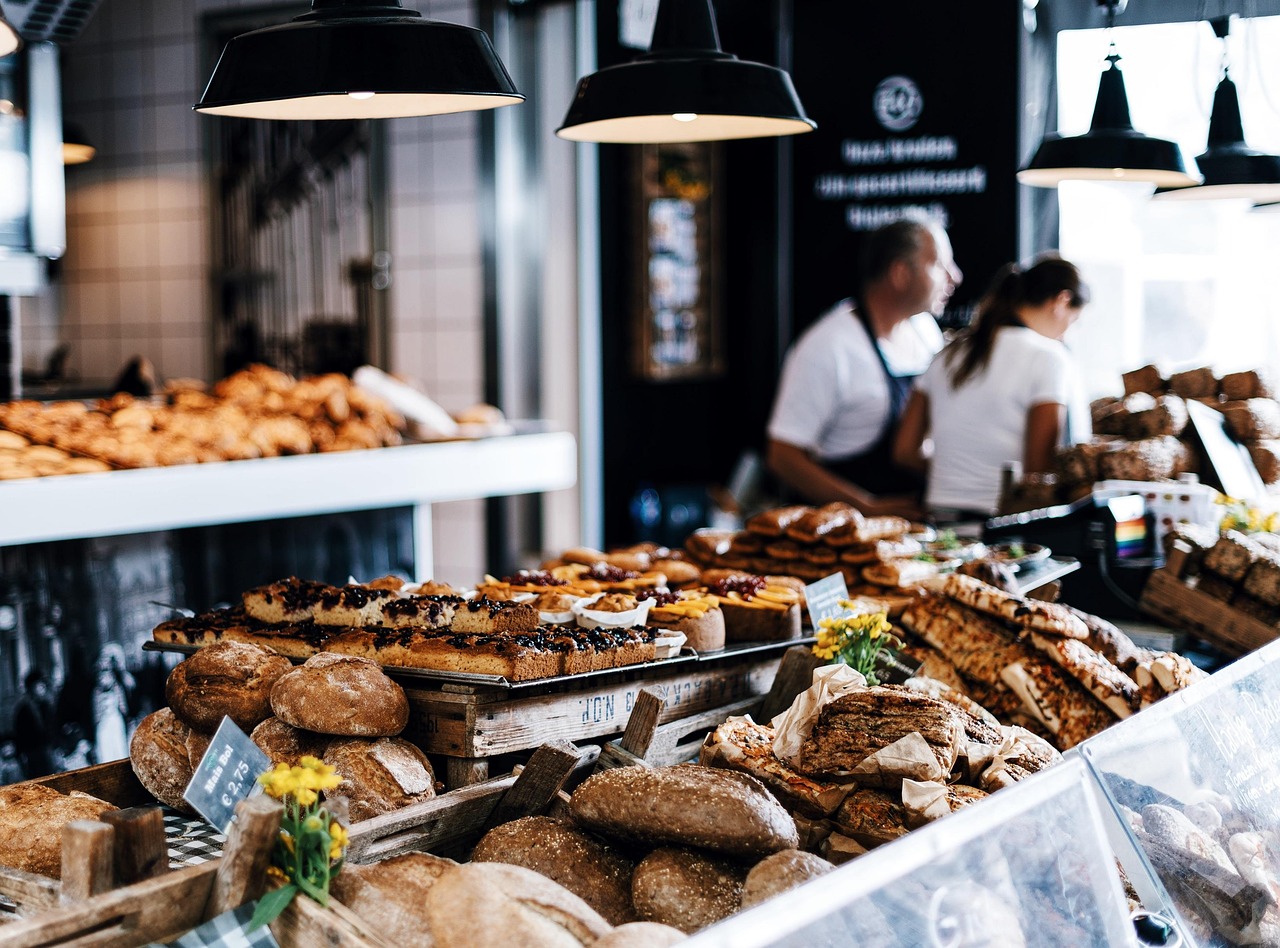
Photography by Giving Campaign Contributors
Published
February 25, 2026
Reading Time
5 min read
An inside look at the supply chain challenges facing neighborhood restaurants committed to local sourcing.
The farm-to-table movement has transformed the way we think about food. Menus now proudly list the names of farms and producers, and diners have come to expect a certain transparency about where their meal has come from. But behind those carefully worded menu descriptions lies a far more complicated reality.
For independent restaurant owners, the decision to source locally is rarely straightforward. It means higher costs, unpredictable supply, and a logistics operation that would test the patience of the most seasoned supply chain manager.
The Hidden Maths
We followed three restaurant owners through a typical week to understand what local sourcing actually looks like in practice. The numbers were eye-opening. On average, locally sourced ingredients cost between 30 and 60 percent more than their wholesale equivalents. Delivery schedules are irregular. Quantities fluctuate with the seasons.
And yet, every chef we spoke to said they would not go back. "Once your customers taste the difference, there is no conversation to be had," says Tom Richards, owner of The Hearth in Edinburgh. "The cost is real, but so is the quality."
Making It Work
The restaurants that succeed with local sourcing are the ones that build flexibility into everything: their menus, their pricing, and their relationships with suppliers. It is a fundamentally different way of running a kitchen, and it demands a level of creativity and resilience that goes far beyond cooking.
Marcus Chen
Reporting on independent commerce and local economies. Previously covered retail trends for national publications.
More stories by this author