Smart Home Automation Trends Shaping How We Live in 2026
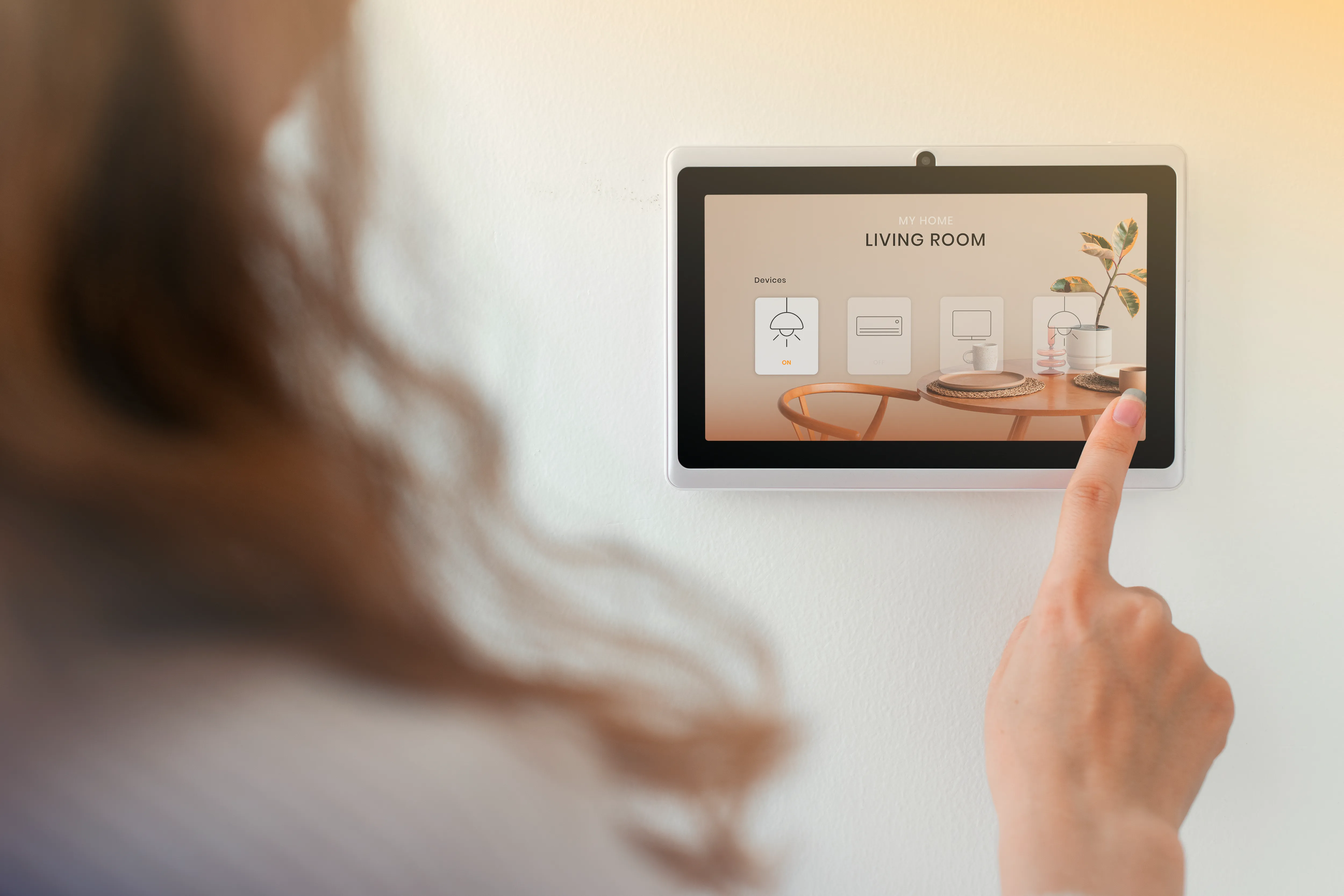
Photography by Giving Campaign Contributors
Published
May 20, 2026
Reading Time
5 min read
The way people interact with their homes has changed considerably over the past few years. What was once seen as a luxury reserved for high-end properties has steadily become something far more accessible, and the appetite for smarter, more connected living shows no sign of slowing. From intuitive lighting control to whole-home energy management, smart home automation is becoming a practical part of everyday life for homeowners across the UK.
Whether you are building from scratch, renovating an older property, or simply looking to modernise, understanding the key trends in home automation can help you make better decisions about where to invest and what kind of setup will genuinely improve your daily experience.
Whole-Home Integration Is Replacing Piecemeal Setups
One of the most notable shifts in recent years is the move away from isolated smart devices towards fully integrated systems that work together under a single platform. Early adopters often ended up with a collection of gadgets that did not communicate with each other particularly well. The result was a fractured experience that required jumping between multiple apps and interfaces.
Today, homeowners are increasingly choosing professional-grade systems that bring lighting, heating, security, audio, video, and blinds under unified control. A well-designed integrated system can respond to how you actually live, dimming the lights when a film starts, adjusting the heating when everyone leaves the house, or alerting you if a door is left unlocked. These automations are possible because all the elements are designed to communicate in real time.
Control4 has established itself as one of the leading platforms for this kind of whole-home integration. It supports thousands of third-party devices, which means it can work alongside products you already own while giving you a clear upgrade path as your needs grow.
Energy Efficiency Is a Growing Priority
Rising energy costs have pushed efficiency much higher up the list of reasons people invest in home automation. Smart heating, automated blinds, and occupancy-based lighting can make a meaningful difference to household bills when set up properly.
According to the Energy Saving Trust, heating accounts for around 55 per cent of what UK households spend on energy each year, making it one of the most impactful areas where smart technology can help. Automated systems that respond to occupancy and integrate with weather data can reduce wasted energy without requiring constant manual adjustment. The savings over time often help to offset the initial cost of a professionally installed system.
Professional Installation Makes the Difference
As the technology has matured, so too has the understanding that professional installation makes a significant difference to how well a system performs. A poorly configured setup, regardless of how advanced the hardware is, will frustrate rather than impress. Installers who specialise in this area bring not just technical knowledge but a genuine understanding of how a home is used day to day.
Businesses such as Connect Automation have built their reputation on tailored Control4 installations designed around each client rather than off-the-shelf packages. The right installer will spend time understanding how you use your home before recommending a setup, and that collaborative approach is what separates a system you rely on every day from one that sits largely unused.
Finding the Right Installer for Your Location
The growth of the smart home market means there are now businesses offering installation services across the country, each with different areas of expertise and coverage. For homeowners outside London and the South East, this guide to Control4 from Carbon Integration, a specialist based in Berkshire, offers a useful breakdown of how to compare platforms and what to look for when choosing an installer. Reading around the subject before committing to a system is always time well spent.
The key regardless of location is to find an installer who takes the time to understand your home, your habits, and your budget. Smart home technology works best when it is designed for you rather than applied generically, and the difference between a thoughtfully planned installation and a rushed one is something you will notice every single day.
Giving Campaign Editorial
Reporting on independent commerce and local economies. Previously covered retail trends for national publications.
More stories by this author