Small Garden, Big Impact: Transforming Tricky Outdoor Spaces
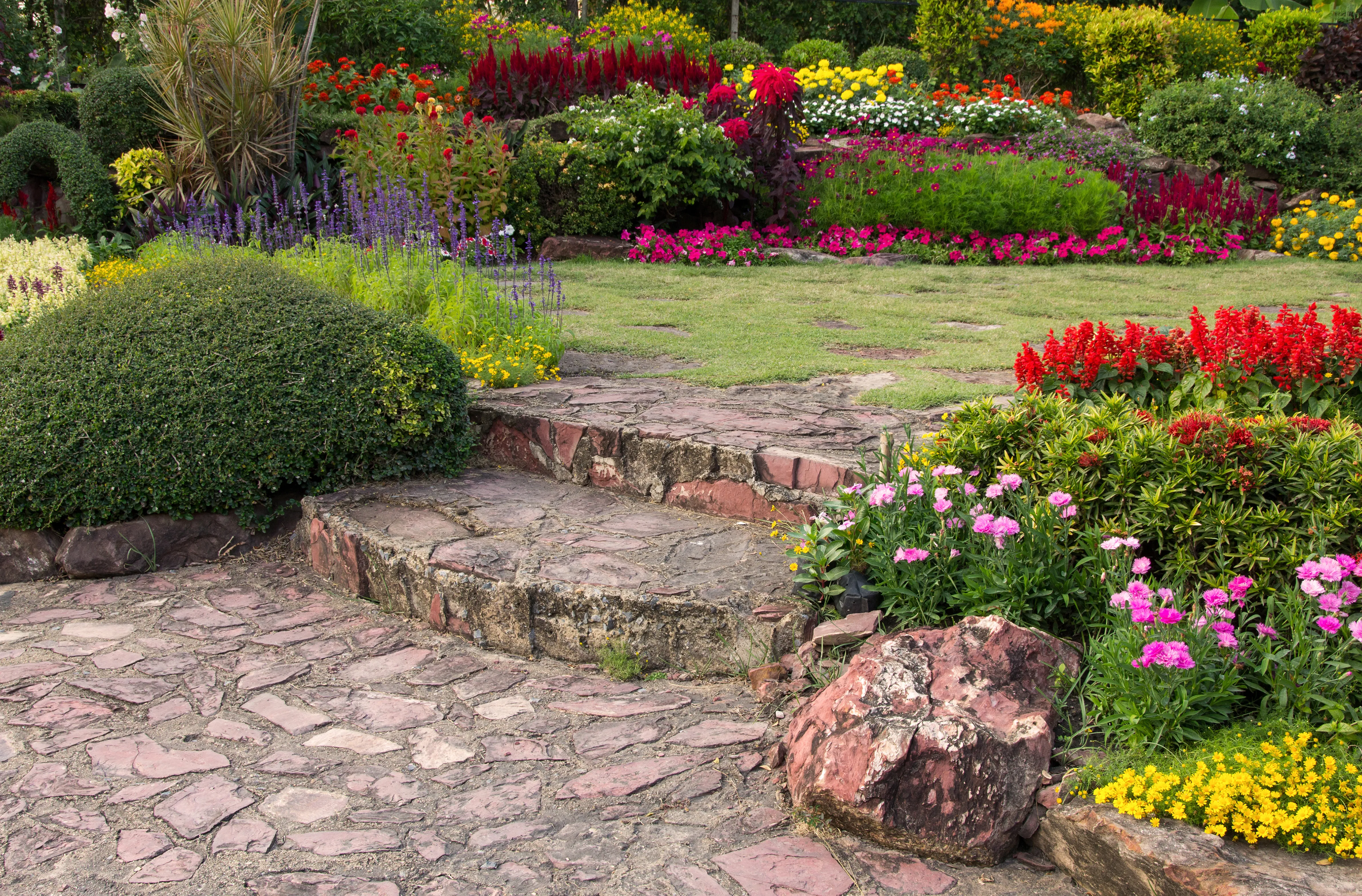
Photography by Giving Campaign Contributors
Published
April 14, 2026
Reading Time
5 min read
Not every garden comes with a blank canvas and a gentle slope. For plenty of homeowners, what is waiting outside the back door is something a bit more challenging. Maybe it is narrow, steeply sloped, awkwardly shaped, or simply unloved. The good news is that tricky gardens are often where the most impressive transformations happen, and local landscaping teams are getting very good at turning them around.
The Small Garden Is Not a Problem Anymore
One of the most common challenges people face is a sloping garden. It can feel completely unusable, especially if it is severe or if the existing layout has made it unsafe underfoot. But with the right approach, a slope can actually become one of the most interesting features in a garden.
The key is to divide the height into several levels using retaining walls built from railway sleepers, stone, or concrete blocks, with proper drainage built in at each level. According to the Royal Horticultural Society, even the tiniest and most awkward spaces can be turned into a stylish outdoor retreat with the right planning and design approach.
Once terraces are in place, each level can be treated as its own space, with lower areas used for seating, middle sections for planting, and higher ground used as a quiet retreat. A good local landscaper will know how to plan the whole project safely, including when specialist structural advice is needed.
Slopes and Awkward Layouts: More Manageable Than You Would Think
One of the most common challenges people face is a sloping garden. It can feel completely unusable, especially if it is severe or if the existing layout has made it unsafe underfoot. But with the right approach, a slope can actually become one of the most interesting features in a garden.
The key is to divide the height into several levels using retaining walls built from railway sleepers, stone, or concrete blocks, with proper drainage systems built into each level. Once those terraces are in place, each one can be treated as its own space, with lower areas used for seating, middle sections for planting, and higher ground used as a quiet retreat.
It is work that genuinely requires professional expertise to do safely and properly. If a retaining wall is going to provide support for a house or other building, or if a large volume of earth is being moved, advice from a structural or civil engineer is worth seeking out. A good local landscaper will know exactly when that is needed and how to plan the whole project accordingly.
What Can Actually Be Done With a Challenging Space
The range of solutions available for small or awkward gardens is wider than most people realise. Here are some of the most popular approaches local landscapers are using right now:
- Tiered patios and multi-level decking to make use of sloped ground and create separate areas for dining, relaxing, and play
- Retaining walls with built-in seating to maximise every inch without cluttering the space with extra furniture
- Artificial grass on uneven ground to create a clean, low-maintenance lawn where real turf would struggle to take hold
- Raised beds and planters to add greenery and growing space without needing access to difficult or compacted soil
- Smart fencing and screening to improve privacy in overlooked or narrow plots
None of these are off-the-shelf fixes. The best results come from someone who has actually stood in the garden, taken in the layout, and worked out a plan that fits the specific space.
Bristol Locals Who Know Their Way Around a Difficult Garden
This is where experts like Olly Landscapes come in. Based in Bristol, they have built a solid reputation for taking on exactly the kind of spaces that other people might overlook.
From sloped gardens that needed retaining walls and stepped patios to small residential plots that just needed a complete rethink, their team works closely with clients to figure out what will actually work for their space and their lifestyle. With services covering patios, decking, fencing, artificial grass, and full garden renovations, they bring everything needed to tackle a difficult project from start to finish.
The reviews from past clients paint a clear picture. People consistently mention how the garden they thought was unusable ended up becoming somewhere the whole family wants to spend time.
It Is Worth Knowing Your Rights Before You Start
One practical thing worth being aware of before any landscaping work begins is the question of planning permission. Most garden landscaping work does not require it, but if a retaining wall is going to be over two metres high, or one metre high if it sits next to a road or pathway, permission will be needed.
Tighter rules also apply to listed properties and land within protected areas. For most standard garden projects it is a straightforward conversation rather than a bureaucratic hurdle. The Federation of Master Builders offers useful guidance on retaining walls and when professional advice becomes essential, which is a handy reference for anyone planning a bigger project.
Do Not Write Off the Tricky Ones
It is easy to assume that a garden needs to be spacious and straightforward before it is worth investing in. But some of the most striking transformations happen in gardens that looked completely uninviting at the start.
A steep slope becomes a series of beautiful terraced levels. A narrow strip becomes a decked retreat. A flat, featureless yard becomes a proper outdoor living space with planting, paving, and somewhere comfortable to sit.
The key is finding a team who actually enjoys the challenge, and in Bristol, there are local professionals doing exactly that.
Giving Campaign Editorial
Reporting on independent commerce and local economies. Previously covered retail trends for national publications.
More stories by this author