How to Choose the Right Bifold Doors for Your Home
Photography by Giving Campaign Contributors
Published
May 14, 2026
Reading Time
5 min read
Bifold doors have become one of the most popular home improvement investments in the UK over the last decade, and it is easy to understand why. They open up living spaces, improve natural light, and create a seamless connection between indoor and outdoor areas that changes how a home feels to live in day to day. But with a wide range of materials, configurations, and suppliers to choose from, knowing where to start can feel overwhelming. Here are five of the most important things to consider before you commit.
1. Choose the Right Frame Material for Your Home
The three most common frame materials for bifold doors are aluminium, uPVC, and timber, and each comes with its own set of trade-offs. Aluminium is the most popular choice for modern properties, offering slim sightlines, excellent thermal performance, and long-term durability with minimal maintenance. uPVC is a more budget-friendly option that performs well thermally but tends to have bulkier profiles. Timber offers a warmth and character that suits period properties particularly well, though it requires more ongoing maintenance than the alternatives. The right choice depends on the style of your home, your budget, and how much upkeep you are prepared to take on.
2. Get the Configuration Right for Your Opening
Bifold doors come in a range of panel configurations, typically from two panels up to seven or more, and the configuration that works best depends on the width of your opening and how you want the doors to stack when open. A wider opening generally benefits from more panels, which stack more neatly to one or both sides. It is also worth thinking about which panel will act as the traffic door, the one that opens independently for everyday access without having to fold the entire set. Getting the configuration right at the planning stage avoids compromises that are difficult and expensive to correct later.
3. Understand Your Glazing Options
The glazing specification of your bifold doors has a significant impact on both thermal performance and security. Double glazing is the standard, but triple glazing is worth considering for north-facing openings or rooms where heat retention is a priority. Look for doors with a low U-value, which measures how much heat passes through the unit, as this will affect your energy bills over the long term. Toughened or laminated safety glass is standard in bifold doors and is a building regulations requirement, but it is worth confirming the specification with your supplier before you order. The Energy Saving Trust provides useful guidance on glazing performance standards that is worth reviewing when comparing options.
4. Consider How Bifold Doors Will Change the Way You Use Your Home
It is easy to focus purely on the technical side of choosing bifold doors and overlook the broader impact they have on how a home feels to live in. A well-chosen and well-fitted set of bifold doors does not just replace a wall or a window, it changes the relationship between your indoor living space and your garden, brings in significantly more natural light, and creates a sense of openness that is difficult to achieve through any other single home improvement. For families, that might mean a kitchen or dining area that flows naturally onto a patio during warmer months. For those working from home, it can transform a previously enclosed room into a space that feels considerably more open and pleasant to spend time in.
For homeowners across Surrey and Sussex looking to make that kind of change, finding a local installer who understands both the product and the practicalities of fitting in this area makes a real difference to the outcome. If you are looking for Bifold Doors in Godstone and the surrounding areas, working with an installer who knows the local build context well is worth prioritising from the outset.
5. Choose an Installer With a Track Record You Can Verify
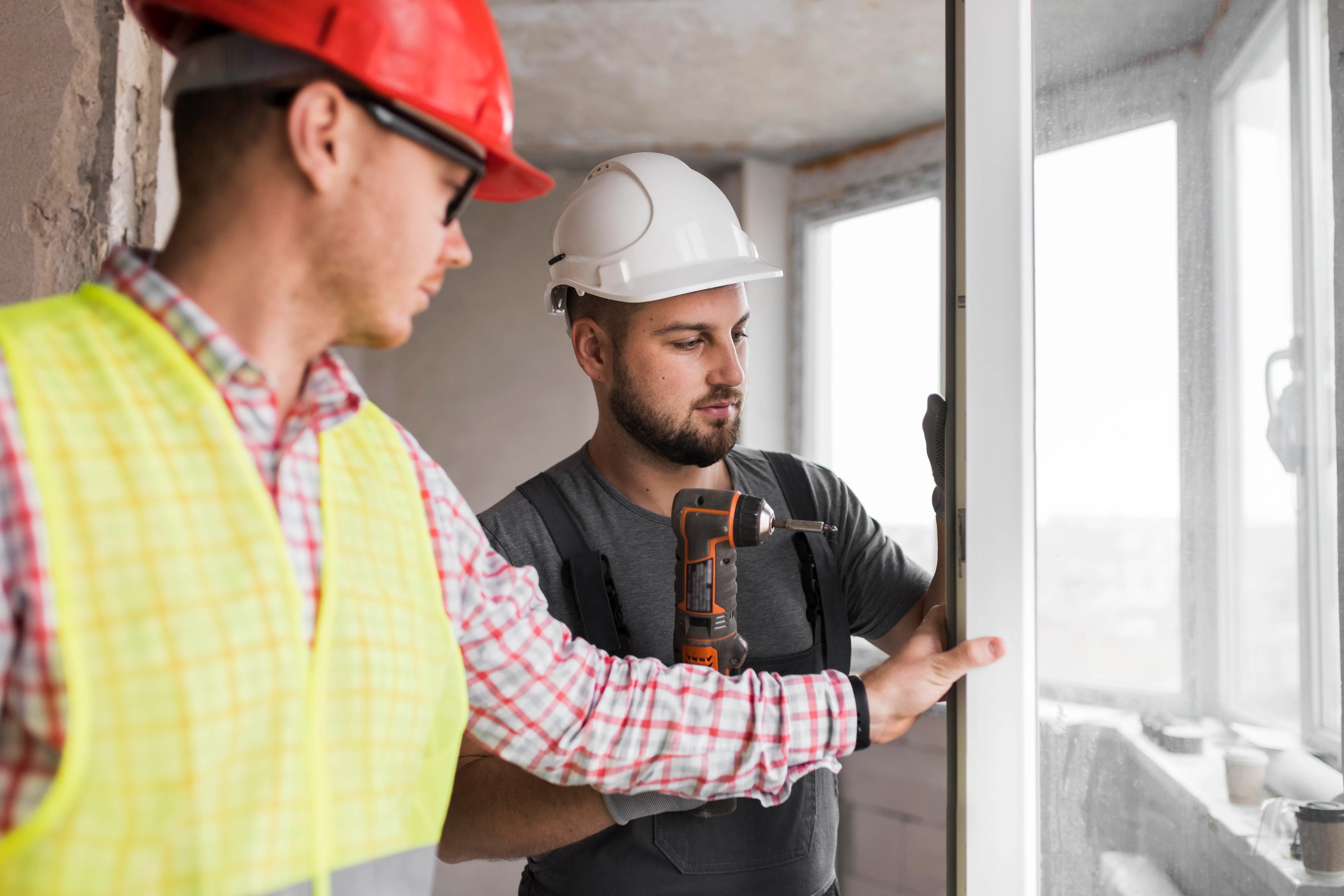
The quality of the installation matters as much as the quality of the door itself. A poorly fitted bifold door can result in draughts, water ingress, misalignment, and long-term operational issues that no amount of product quality can compensate for. Before committing to an installer, ask to see examples of previous work, check independent reviews, and confirm that they are registered with a relevant competent person scheme such as FENSA or Certass, which allows them to self-certify that their installations meet building regulations without the need for a separate council inspection. For a sense of the kind of transparency and product detail a reputable supplier should offer, this bifold and sliding door specialist based in the North West publishes detailed installation guidance and specifications openly, which makes for a useful benchmark when evaluating other suppliers.
Taking the time to work through these five considerations before you buy will put you in a much stronger position to choose doors that perform well, look right for your home, and are fitted to a standard that lasts. Bifold doors are a long-term investment, and getting the decision right from the outset is well worth the extra thought.
Giving Campaign Editorial
Reporting on independent commerce and local economies. Previously covered retail trends for national publications.
More stories by this author