How the Right Furniture Can Transform a Restaurant
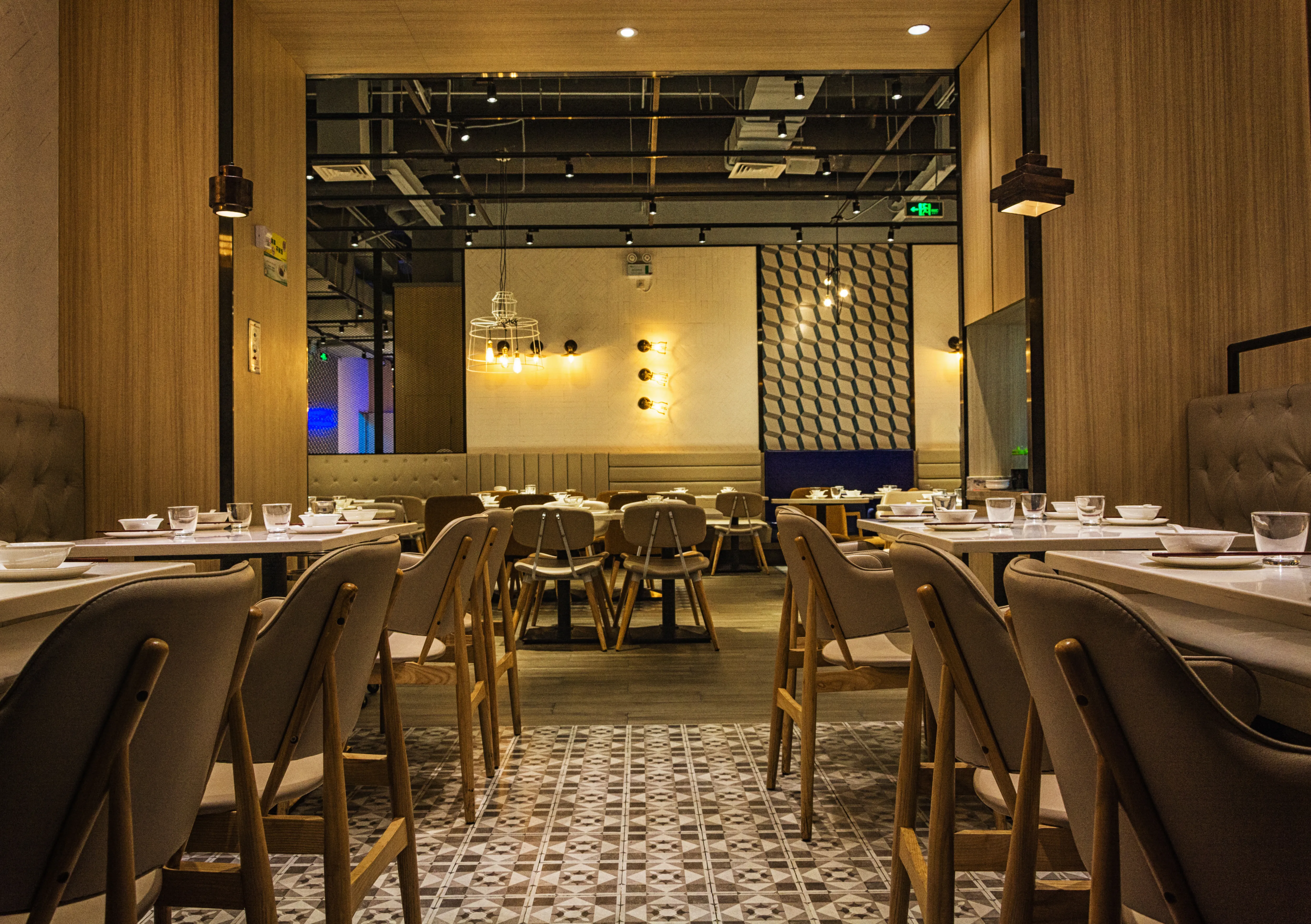
Photography by Giving Campaign Contributors
Published
April 1, 2026
Reading Time
5 min read
Walk into a restaurant and within seconds, before you have glanced at the menu or caught the eye of a server, you have already formed an opinion. The lighting, the layout, the way the chairs feel as you pull them out, it all speaks. And what it says can be the difference between a customer who lingers over dessert and a bottle of wine, and one who eats quickly and leaves.
For UK restaurant and hospitality owners, this is not just interior design theory. It is commercial reality. The hospitality sector directly contributes £93 billion annually to the UK economy, and in a market that competitive, every detail of the customer experience matters. Consumers want more for their money, they want to be surprised, but they also expect a baseline of quality no matter where they go. Your furniture is a silent but powerful part of delivering on that promise.
First Impressions Are Made in Seconds
The moment customers walk in, the arrangement, style, and quality of the furniture signals what type of experience they can expect. Sleek, modern furniture conveys sophistication, while rustic wooden tables and chairs create a homely, cosy vibe. Even the condition of the furniture affects perception. Worn-out chairs or unsteady tables can leave guests with doubts about the restaurant's standards before a single dish arrives.
This matters enormously in the age of Google reviews and social media. A beautifully dressed dining room gets photographed, shared, and recommended. Your furniture is effectively part of your marketing.
Comfort Drives Spend
Studies and industry observations consistently show that comfortable seating increases table dwell time. Guests are more inclined to linger, socialise, and order more when they feel physically at ease. That extra round of drinks, the dessert they would not have considered if perched awkwardly on a stiff stool, these are the margins that make a hospitality business profitable.
Quick-service venues may intentionally choose firmer seating to keep tables turning. Premium dining environments do the opposite, prioritising plush seating and generous spacing to justify higher spend per head. Knowing which model suits your venue and furnishing accordingly is a genuine strategic decision.
Your Furniture Tells Your Brand Story
Restaurant furniture should align with the overall theme, décor, and target audience. A high-end steakhouse may feature leather chairs and dark wood tables to reflect sophistication, while a coastal seafood spot might use light-coloured furniture with natural textures for a fresh, breezy feel. When everything feels considered and cohesive, customers trust you. That trust translates into return visits and loyalty.
For a broad look at what the contract furniture market offers, DeFrae Contract Furniture, based in London and Essex, is a respected hospitality trade supplier covering styles from bistro to art deco.
Durability and Safety Matter Too
Great-looking furniture also has to stand up to the realities of a busy commercial environment. This is where the distinction between residential and contract furniture becomes critical. Upholstered pieces need to meet Crib 5 fire safety standards for use in UK public spaces, a legal requirement that carries serious consequences if ignored.
Connect Furniture specialises in exactly this. Working with restaurants, bars, hotels, and cafes across the UK, they source and manufacture contract furniture that balances style with the durability and compliance that busy hospitality venues demand. From bespoke banquette seating built to fit a specific space, to chairs, stools, and tables available from UK stock for fast turnaround, they offer a genuinely joined-up service.
Layout Is Just as Important as the Furniture Itself
A carefully planned room increases sales and creates a more comfortable experience for guests. Poor layout creates friction for customers and staff alike. Think about zoning: a mix of intimate two-person tables, larger group arrangements, and fixed banquette seating along walls gives your space flexibility without sacrificing atmosphere, allowing the same room to work for a quiet weekday lunch and a busy Friday evening.
The Takeaway
Diners increasingly choose restaurants not just for the food, but for how a place makes them feel. According to UKHospitality, the sector contributes £93 billion to the UK economy each year, and in a landscape that competitive, atmosphere is no longer a nice-to-have. It is an expectation.
The food brings them in. The atmosphere keeps them there. And the furniture is what the atmosphere is built on.
Giving Campaign Editorial
Reporting on independent commerce and local economies. Previously covered retail trends for national publications.
More stories by this author