How Solar Energy Is Helping Irish Households Take Control of Their Energy Bills
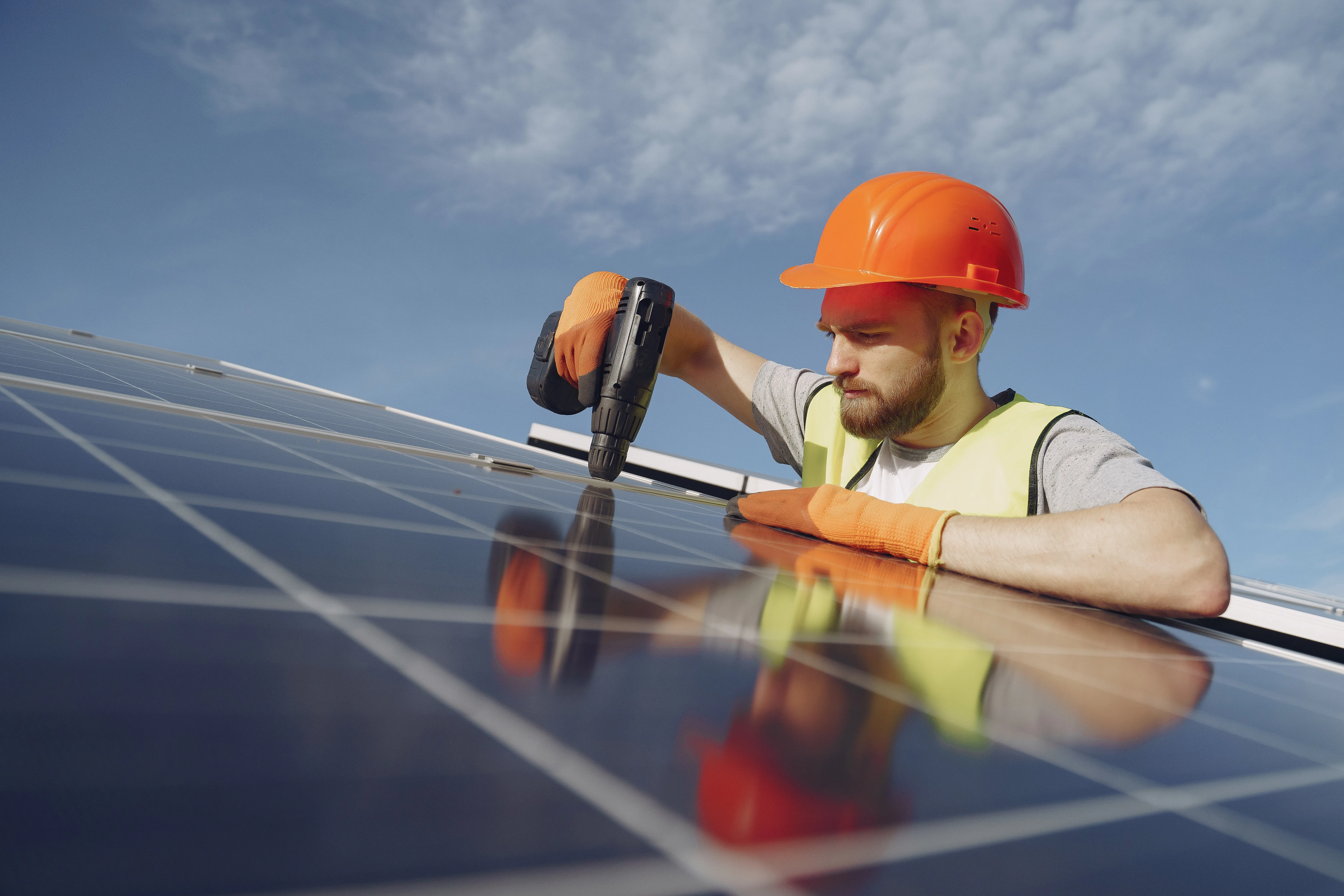
Photography by Giving Campaign Contributors
Published
May 15, 2026
Reading Time
5 min read
Energy costs in Ireland have risen significantly in recent years due to wholesale price volatility, grid infrastructure charges, and wider European energy market pressures, making bills harder to manage for many households. As a result, solar energy is increasingly seen not just as an environmental choice but as a practical financial one. Solar panels generate electricity during daylight hours, reducing reliance on the grid and lowering annual electricity costs, while Ireland's grant schemes and falling installation costs have made the technology more accessible than ever before.
The Reality of Energy Independence for Irish Homes
For most Irish homeowners, solar energy is not about becoming completely off-grid, but about reducing reliance on the grid and lowering long-term electricity costs. Solar panels generate power during daylight hours, while battery storage systems allow surplus energy to be used in the evenings and overnight, helping households significantly cut the amount of electricity they need to buy from the grid. During the summer months, some homes rely very little on grid electricity at all, and any surplus generated can be exported back through the Microgeneration Support Scheme, providing an additional income stream that further improves the financial case.
What the SEAI Grant Scheme Means for the Upfront Cost
One of the most significant barriers to solar adoption has historically been the upfront cost of purchasing and installing a system. The Sustainable Energy Authority of Ireland provides financial support through its solar PV grant scheme, which reduces the capital cost of a typical domestic installation and improves the overall payback period.
The SEAI also supports wider home energy upgrades through schemes that include insulation, heat pumps, and heating controls. For homeowners considering solar as part of a broader retrofit, understanding how these grants interact can significantly improve the overall financial outcome. The SEAI guidance sets out eligibility criteria and grant amounts in detail and is the most reliable starting point for planning an installation.
Choosing the Right Installer for Your Home
The quality of a solar installation depends heavily on the expertise of the installer. System sizing, panel placement, inverter selection, and electrical workmanship all influence long-term performance, with most solar panels lasting around twenty-five years or more. Choosing an installer who properly assesses your roof, household energy use, and long-term goals is essential.
SEAI-registered installers are required to meet defined standards and are necessary to access grant support. Beyond registration, homeowners should look at verified reviews, previous installations, and the level of aftercare and monitoring provided. GoKonnect is one example of an Irish installer supporting households through the full process from assessment to installation and ongoing support.
How Solar Compares to Other Energy Saving Measures
Solar panels are often most effective when combined with other energy efficiency improvements such as insulation, draught proofing, and heating upgrades. These measures reduce overall energy demand, allowing a smaller solar system to cover a greater share of household usage.
However, solar differs from most efficiency upgrades in that it generates value as well as reducing costs. A well-designed system with battery storage can lower bills, generate export income, and increase property value in a way that insulation alone cannot. For many homeowners, it remains one of the strongest long-term energy investments available.
What the Wider Solar Market in Ireland Looks Like
The Irish solar market has expanded significantly in recent years, driven by rising energy costs, improved grant support, and growing awareness of energy resilience. A number of installers now operate nationally, offering increasingly competitive and accessible solar solutions for homeowners.
Energia, for example, has expanded into residential solar installations, offering packages alongside its energy services. Comparing providers and installation approaches can help homeowners better understand pricing, system design, and service differences across the market.
Taking the First Step
For most homeowners, the journey to solar begins with understanding whether it will deliver meaningful savings. In the majority of cases, it does, with payback periods often improving further when grant support is included.
The most effective starting point is a professional assessment of your roof, energy usage, and property layout. From there, the financial and practical benefits of solar typically become clear very quickly.
Giving Campaign Editorial
Reporting on independent commerce and local economies. Previously covered retail trends for national publications.
More stories by this author