How Natural Light Transforms the Way We Live at Home
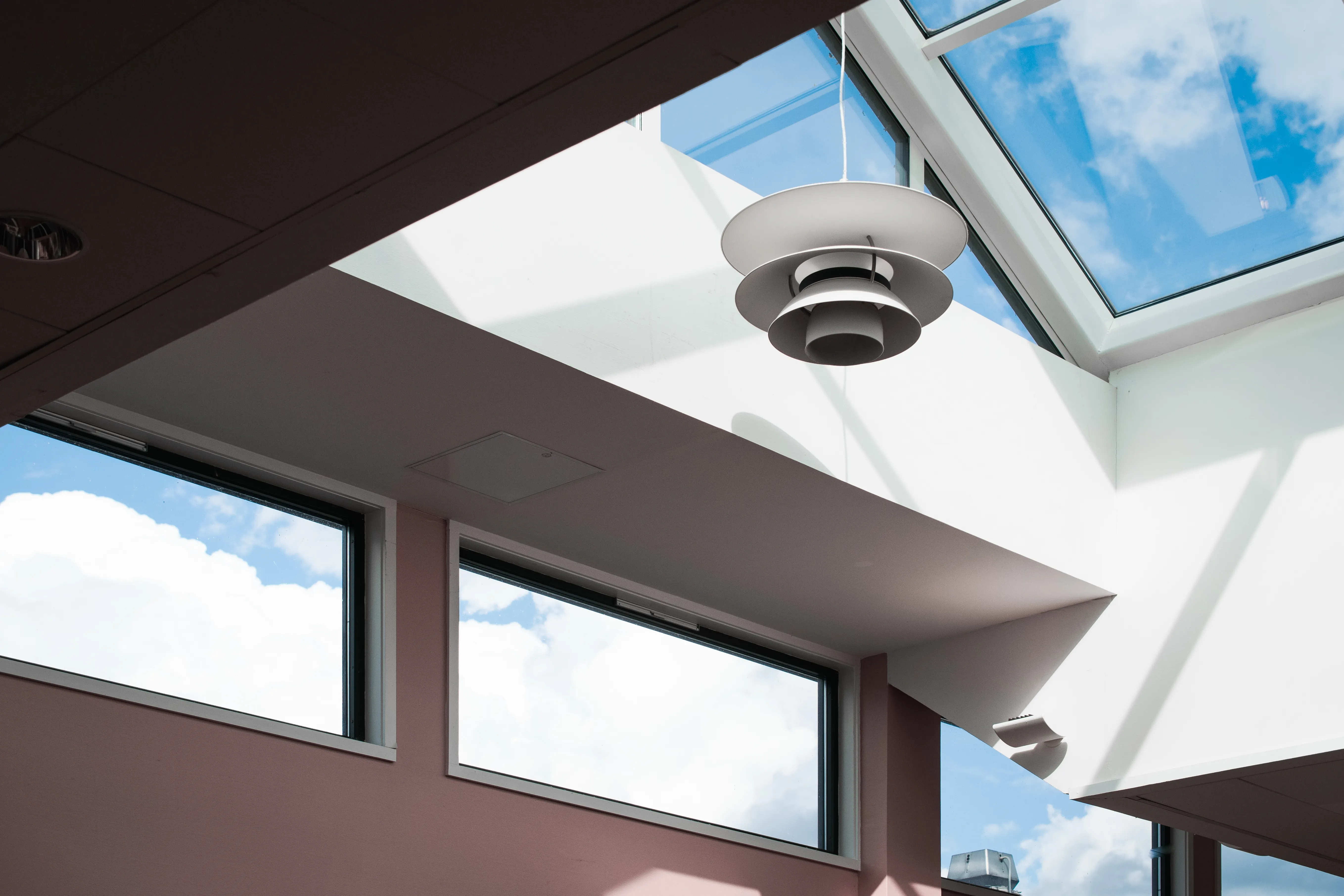
Photography by Giving Campaign Contributors
Published
May 13, 2026
Reading Time
5 min read
There is something almost immediate about walking into a well-lit room. Before you have taken in the furniture, the colour of the walls, or the layout of the space, you have already formed a feeling about it. Light, particularly natural light, shapes the atmosphere of a home in a way that no lamp or overhead fitting can fully replicate. For homeowners looking to genuinely transform how a space feels to live in, the way daylight enters a room is one of the most powerful and often underestimated places to start.
The UK is not known for its abundance of sunshine, which makes the way we design and adapt our homes to capture available daylight all the more important. A room that feels dim and enclosed during a grey morning in February is not simply an aesthetic problem. Over time, a lack of natural light affects mood, energy levels, sleep quality, and even productivity. The growing body of research around biophilic design, which explores the human need to stay connected to natural environments and rhythms, has brought these ideas into mainstream conversations about how we build and renovate our homes.
The Science Behind Why Natural Light Matters
Our bodies are regulated by circadian rhythms, the internal clock that governs our sleep and wake cycles, hormone production, and alertness throughout the day. Natural light is the primary signal that keeps this clock calibrated. When we spend significant portions of our day in spaces that are poorly lit or reliant on artificial light, that rhythm can be disrupted, contributing to fatigue, low mood, and difficulty sleeping at night.
Beyond the physiological, there is strong evidence that natural light improves concentration and cognitive performance. Studies in workplace and educational environments have consistently shown that people think more clearly, retain information more effectively, and report higher levels of satisfaction in spaces with good access to daylight. These findings translate directly into the home, particularly as more people now work remotely and spend a greater portion of their waking hours indoors.
The NHS and public health guidance have increasingly acknowledged the role of light exposure in supporting mental health, particularly in relation to conditions like Seasonal Affective Disorder, which affects an estimated one in fifteen people in the UK. Ensuring that the rooms we spend the most time in receive adequate natural light is not just a design preference. For many people it is a genuine health consideration, particularly for those affected by Seasonal Affective Disorder.
How Rooflights Change the Equation
Windows on walls are the default solution to bringing light into a home, but they are constrained by what surrounds them. A terrace or semi-detached property with neighbouring buildings close on either side, or a single-storey rear extension that sits below the main roofline, can leave central living areas feeling permanently shadowed regardless of how many wall windows are fitted. This is where overhead glazing changes things entirely.
A rooflight set into a ceiling or roof plane captures light from directly above, which is the most consistent and brightest source available throughout the day. It also distributes that light more evenly across a room, reducing the contrast between bright spots near windows and darker areas further inside. For kitchen extensions, open-plan living spaces, bathrooms, and loft conversions, the difference a well-placed rooflight makes to how a room feels can be dramatic.
Rooflights and roof lanterns are also an effective solution in spaces where privacy is a concern. Overhead glazing floods a room with daylight without exposing the interior to the view of neighbours or passers-by in the way that large wall windows sometimes do.
Choosing the Right Rooflight for Your Home
Not all rooflights are the same, and the difference between a standard off-the-shelf unit and one designed specifically for your space can be significant both in terms of performance and appearance. Flat roof rooflights, pitched roof skylights, and structural roof lanterns each suit different applications and architectural contexts. The framing material, glazing specification, thermal performance, and dimensions all play a role in how well a rooflight functions over the long term.
For homeowners with non-standard openings, unusual roof pitches, or a specific design vision for their space, bespoke rooflights offer the flexibility that standard sizes simply cannot. Custom bespoke rooflights are designed and built to the exact requirements of each project, making them suitable for both homeowners and trade customers across a wide range of project types. Whether the project involves a contemporary flat roof extension or a more traditional pitched roof, having a rooflight made to measure ensures it integrates properly with the structure and delivers the light performance the space needs.
What the Rest of the Industry Is Doing
The growing demand for better natural light in homes has driven real innovation across the rooflight sector over the last decade. Slimmer frames, improved thermal breaks, self-cleaning glass coatings, and triple glazing options have all become more accessible, meaning that modern rooflights perform significantly better than older installations in terms of both heat retention and light transmission.
Across the UK, there are specialists working at the design and performance end of the market producing both standard and bespoke roof lanterns with a focus on energy efficiency and contemporary aesthetics. Looking at providers of bespoke roof lantern skylights gives a broader picture of what is now achievable for homeowners thinking about making changes and how the industry continues to evolve.
Making the Decision
For most homeowners, investing in a rooflight is not an impulse purchase. It involves thinking about the structure of your roof, your planning situation, the orientation of the space, and what you actually want the room to feel like once the work is done. But the payoff, in terms of how fundamentally a well-designed rooflight can change the quality of life in a space, makes it one of the more rewarding home improvements available.
Natural light is not a luxury addition to a home. It is one of the core ingredients of a space that genuinely feels good to live in, and getting it right is worth taking seriously.
Giving Campaign Editorial
Reporting on independent commerce and local economies. Previously covered retail trends for national publications.
More stories by this author