How Local Experts Reduce Your Business Water Footprint
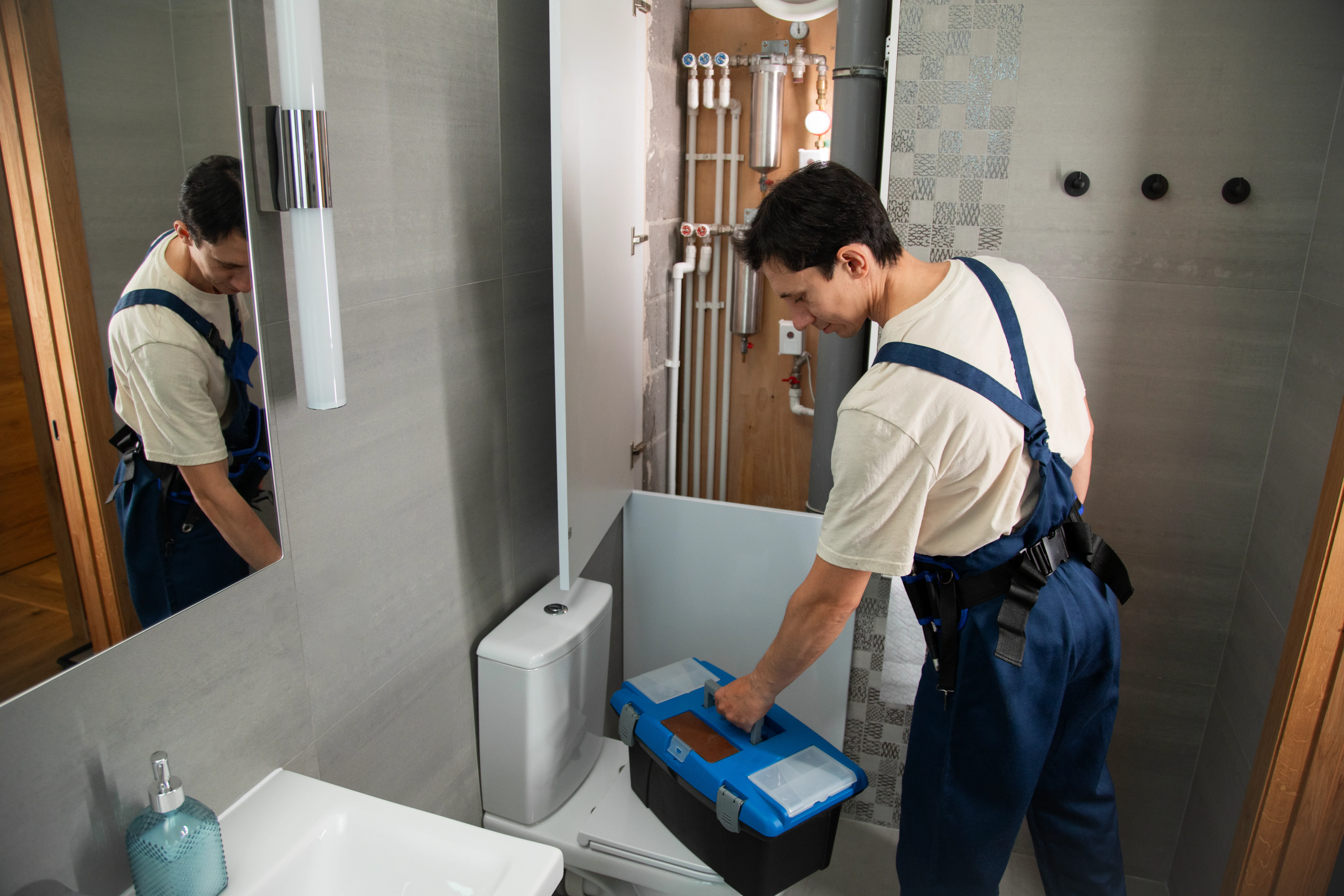
Photography by Giving Campaign Contributors
Published
April 22, 2026
Reading Time
5 min read
Water is one of the most overlooked costs in commercial property management. While businesses focus on energy bills and staffing overheads, the plumbing systems running behind the walls are often left to chance until something goes wrong. With water bills rising and the government pushing businesses to take water efficiency more seriously, there is growing appetite among commercial property owners and facilities managers to find practical, lasting solutions.
Why Plumbing Is Central to Sustainability
Most business owners associate sustainability with solar panels or electric vehicles. Plumbing rarely enters the conversation. Yet the way water moves through a building, how it is heated, recycled, monitored and maintained, has a direct bearing on both environmental impact and operating costs. For commercial premises where dozens of employees or customers use facilities throughout the day, even modest improvements to fixture efficiency or leak detection can translate into meaningful annual savings.
Technologies Making a Real Difference
The range of practical solutions available to businesses today is broader than ever. Among the upgrades commercial plumbing specialists are increasingly recommending are:
- Low-flow fixtures such as taps, toilets and showerheads that cut water use without compromising performance
- Greywater recycling systems that repurpose water from sinks and laundry for toilet flushing or irrigation
- Smart leak detection sensors that flag minor issues before they become costly problems
- Rainwater harvesting systems for non-potable uses across the site
- Tankless or solar-powered water heaters that reduce energy wasted on reheating static water in pipes
The Role of Planned Preventative Maintenance
Moving away from reactive plumbing toward a structured, scheduled approach is one of the most impactful things a business can do. Planned inspections allow engineers to monitor systems over time, catch developing faults early and ensure everything runs at peak efficiency. Detailed reporting from these visits also makes budgeting more straightforward, allowing organisations to plan repairs rather than respond to emergencies under pressure.
Serving South East London and Beyond
For businesses looking for this level of support, EPML is a London-based commercial plumbing contractor with extensive experience across both planned preventative maintenance and reactive repair. They offer tailored service packages to suit the individual needs of each client, from basic on-demand fault response through to fully managed inspection and maintenance programmes covering entire water and drainage systems. For property managers looking to take water efficiency seriously, that flexibility is a genuine advantage.
How Other Regions Are Raising the Bar
Sustainable commercial plumbing is being taken seriously well beyond the South East. In Scotland and the Midlands, Enviroliance has built a strong reputation for commercial plumbing consultancy with a focus on water hygiene compliance and efficiency, working with healthcare, education and large commercial clients nationwide. Their model demonstrates that sustainable plumbing outcomes depend on expertise and long-term commitment rather than any single installation.
What the Government Is Asking of Businesses
The government has signalled that water efficiency must become a national priority, with commercial properties expected to play a meaningful role alongside households. With water bills continuing to rise, the financial case for action is now as compelling as the environmental one. Businesses that invest in smarter plumbing management today will be better placed to reduce costs, meet tightening expectations and demonstrate genuine environmental responsibility in the years ahead.
Giving Campaign Editorial
Reporting on independent commerce and local economies. Previously covered retail trends for national publications.
More stories by this author