From Market Stall to Household Name: South London's Independent Food Scene
Photography by Giving Campaign Contributors
Published
March 31, 2026
Reading Time
5 min read
Some of Britain's most recognisable food businesses did not start in a boardroom or with a round of investment funding. They started on a fold-out table, under a gazebo, in a busy South London market. The story of how independent food traders grow from weekend stalls into proper businesses is one of the most compelling in British commerce, and South London has been one of its most fertile stages.
Where It Often Begins
Brixton Village has a well-earned reputation as a launchpad. Franco Manca, now one of the most popular pizza groups in the country, began as a single stall in the Village's beautiful 1930s indoor market. Honest Burger, another brand that has since spread across the city and beyond, started in the same place. Both grew because the food was genuinely good, the prices were honest and the setting gave them direct, immediate contact with the kind of customers who care about what they eat.
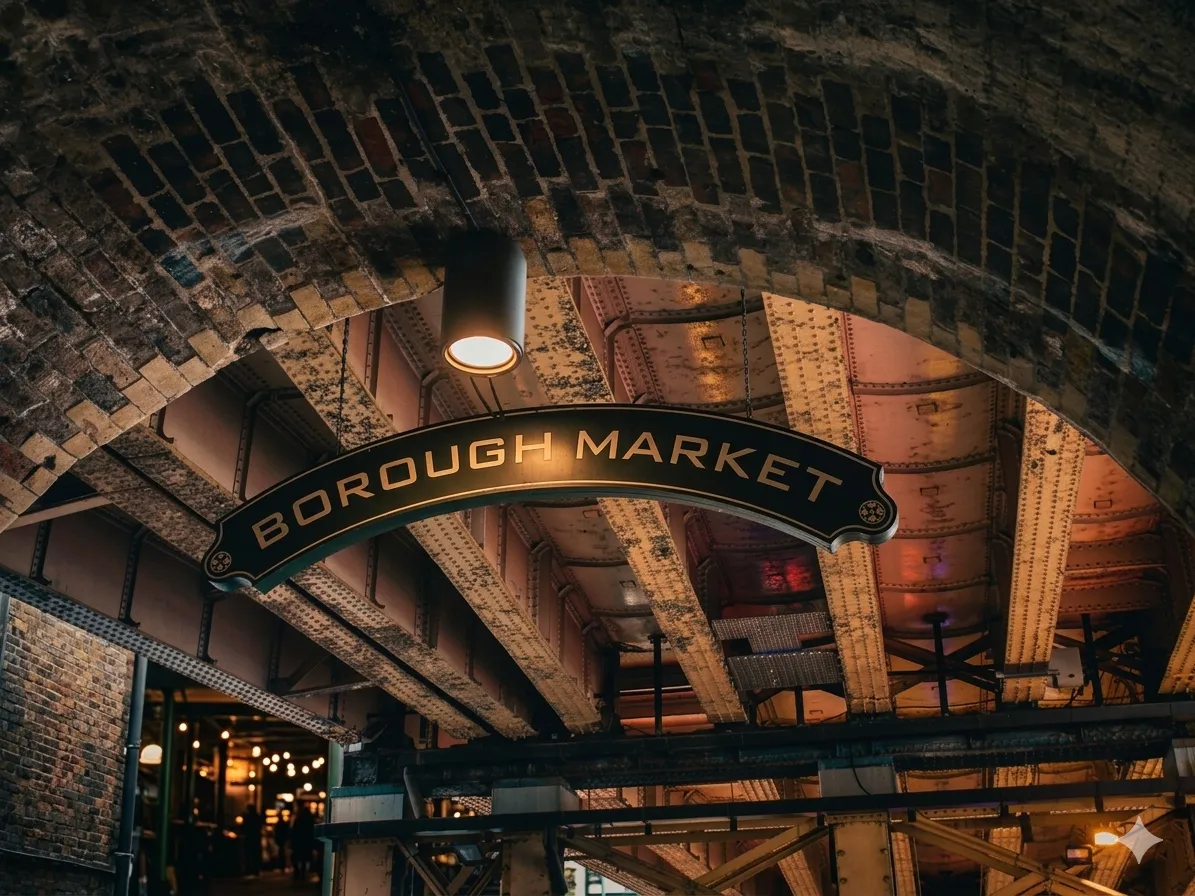
That is not a coincidence. Markets like Brixton Village, Borough Market, Maltby Street and Peckham Levels create the conditions in which good food businesses can find their audience quickly, test new ideas without enormous overheads, and build the kind of loyal local following that becomes the foundation of something lasting. According to Borough Market, which has been trading on its current site since 1756 and has been a market in some form for over a thousand years, the relationship between the market and the small food producer is one of the oldest and most important in British food culture.
The Stories Playing Out Right Now
The next generation of South London food success stories is already taking shape. In the railway arches just off Southwark Bridge Road, FLAV'R Street Food has recently opened, bringing together independent vendors many of whom previously ran outdoor lunchtime stalls in Waterloo and Bermondsey. Among them is Otsumami, a Japanese street food business that has been trading on the streets of SE1 since 2017 and is now operating a permanent kitchen for the first time. Spizza Napoletana, a husband-and-wife Neapolitan pizza business, has gone from a small market pitch to a food truck, a takeaway restaurant and now a permanent kitchen within the same food hall.
These are not overnight successes. They are the result of years of early mornings, direct customer feedback, relentless quality control and the kind of hard work that only people who genuinely love what they do tend to sustain.
Why South London in Particular
Part of the answer is demographic. Areas like Brixton, Peckham, Bermondsey and Herne Hill have long been home to communities from across the world, bringing extraordinary culinary diversity to a relatively small geographic area. The result is a food scene that is genuinely adventurous, where customers are open to new flavours and independent operators are encouraged to bring their own culture to the table.
Part of it is also the availability of affordable market and arch spaces that give new businesses somewhere to begin without the crushing rent of a permanent site. Peckham Levels, housed in a converted multi-storey car park in the heart of SE15, is a good example, offering independent food traders a permanent home in a venue that draws a loyal local crowd and actively celebrates independent commerce.
The Bigger Picture
The growth of South London's independent food scene is part of a broader national story. According to the Food and Drink Federation, small and medium-sized food and drink businesses account for over 95% of all businesses in the UK food sector, contributing enormously to local economies and to the diversity of what people eat.
What South London shows, time and again, is that the best place for those businesses to start is exactly where they are: in front of real customers, in the communities they know best, building something one plate at a time.
Giving Campaign Editorial
Reporting on independent commerce and local economies. Previously covered retail trends for national publications.
More stories by this author