Could Greener Heating Make Homes More Future-Ready?
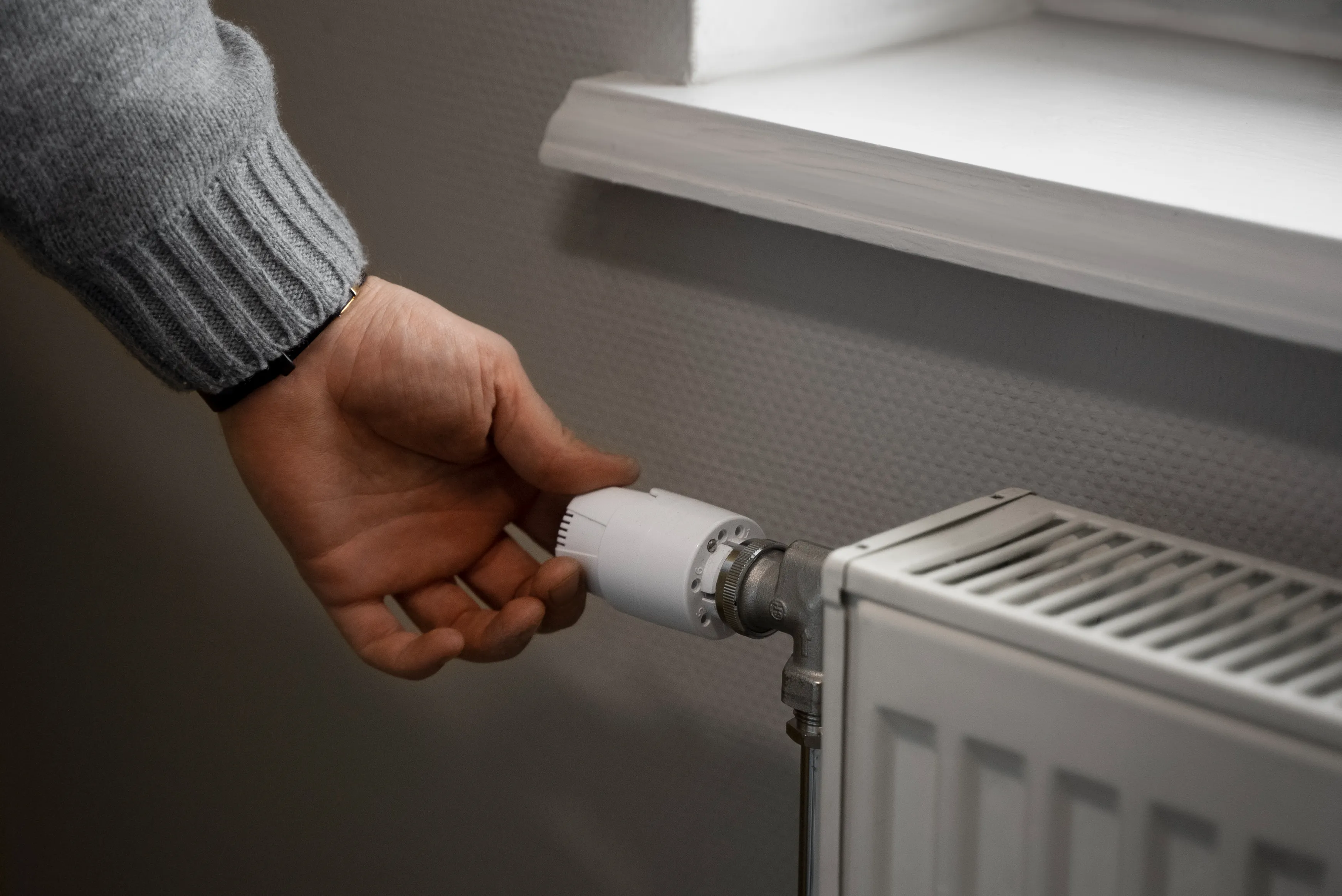
Photography by Giving Campaign Contributors
Published
November 20, 2026
Reading Time
5 min read
Home improvements are often judged by their immediate benefits, whether that means a more attractive kitchen, extra living space or a modern bathroom. However, the way a property uses energy is becoming an equally important consideration. With greater attention being paid to household emissions, energy efficiency and the long-term sustainability of buildings, homeowners have good reason to look beyond cosmetic upgrades when planning their next project.
Why Future-Ready Homes Need to Think About Energy
A property that is comfortable today might not be as efficient or economical to run in the years ahead. Poor insulation, outdated heating systems and unnecessary energy consumption can all contribute to higher running costs and a larger environmental footprint. Addressing these issues can make a home more practical while reducing the amount of energy needed to maintain comfortable temperatures.
The Energy Saving Trust explains how air source heat pumps use warmth from the outside air to provide heating and hot water. They offer an alternative to conventional fossil fuel heating, although their suitability and performance depend on factors such as property design, insulation and the heating system itself.
Renewable Heating Is Becoming Part of the Conversation
Heating is one of the biggest considerations when improving a property's energy performance. Traditional gas and oil boilers remain common, but renewable alternatives are becoming a more prominent option for homeowners planning renovations or replacing older systems. Air source heat pumps are particularly worth considering because they can work with radiators or underfloor heating, depending on the design of the installation.
For homeowners exploring this option, businesses such as Air to Heat specialise in designing and installing air source heat pump systems. Their work includes both replacement heating systems for existing properties and projects involving builders, developers and architects. The important consideration is ensuring that any proposed system is designed around the individual property rather than treating every installation as the same job.
Why Preparation Matters Before Making Changes
Switching to renewable heating is not simply a case of removing an old boiler and installing a different unit. Insulation levels, radiator sizes, available outdoor space and existing pipework can all influence whether a system is suitable and what additional improvements might be required. Homeowners should understand these considerations before committing to a major installation.
There are several established businesses helping households navigate this process. British Gas outlines how its heat pump installations begin with a home survey, while Heat Geek operates a nationwide network of trained heat pump installers. Both illustrate why proper assessment and system design are important parts of a successful heating upgrade.
Looking Beyond the Initial Installation
A future-ready home should be considered as a complete system rather than a collection of individual improvements. Better insulation, suitable heating controls, efficient lighting and carefully selected appliances can all contribute to reducing unnecessary energy consumption. These improvements do not necessarily need to happen at once, but considering how they work together can help homeowners make better decisions when budgeting for renovations.
The UK Government's heat and buildings strategy highlights the importance of improving building efficiency alongside the transition to low-carbon heating. Businesses such as Aira also demonstrate how specialist installation services are developing around this changing market, offering home assessments and heating system design as part of the process.
Ultimately, making a home more future-ready does not require every available green technology to be installed immediately. It means understanding where energy is being used, identifying improvements that make practical sense and planning upgrades around the property's needs. Greener heating can be an important part of that approach, particularly when combined with improvements that help a home retain energy more effectively.
Giving Campaign Editorial
Reporting on independent commerce and local economies. Previously covered retail trends for national publications.
More stories by this author