6 Things That Actually Help People Stick to Healthier Habits Long-Term
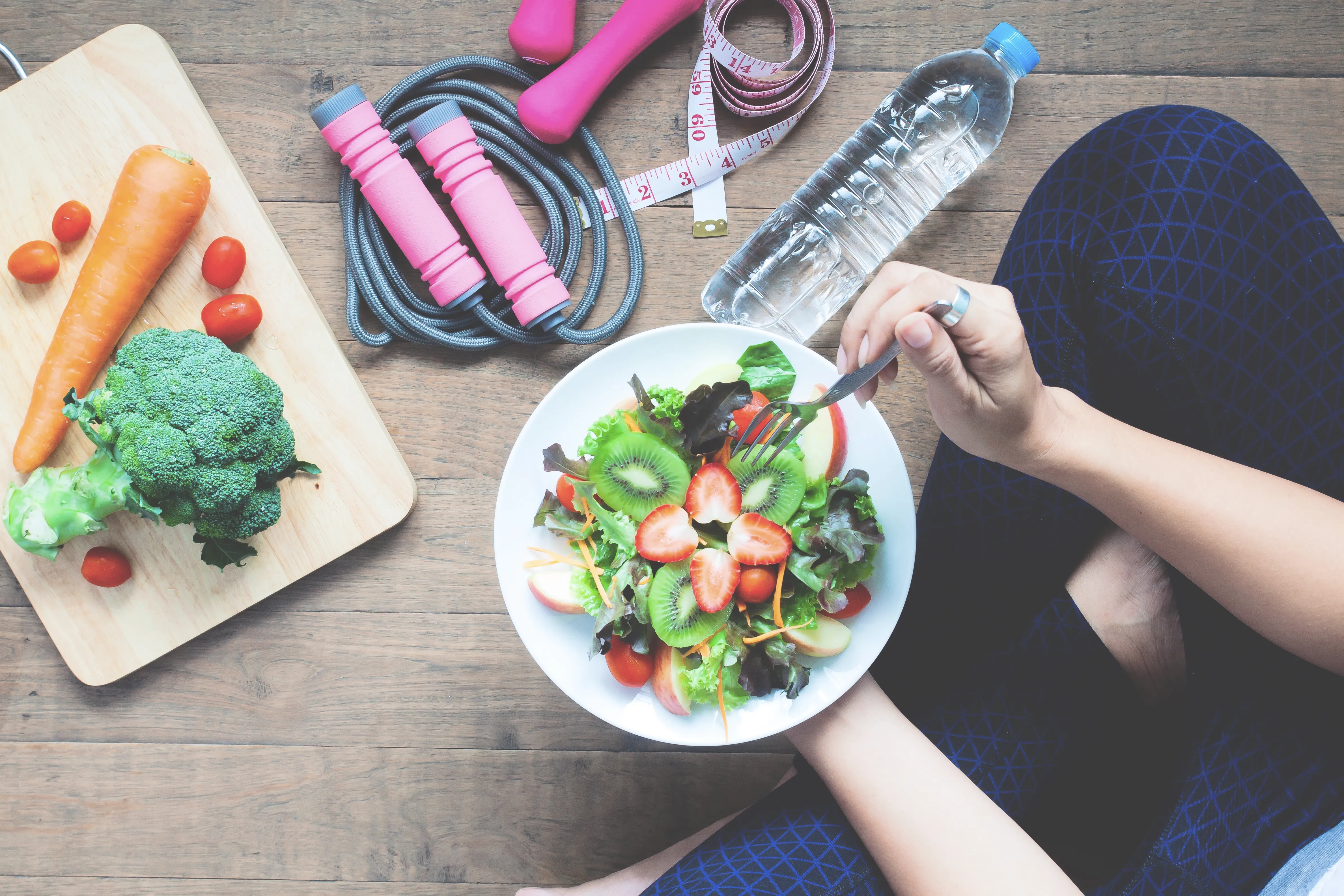
Photography by Giving Campaign Contributors
Published
June 21, 2026
Reading Time
5 min read
Starting a new health habit is easy. Sticking with it past the first few weeks is where most people fall off. It's rarely about willpower, it's usually about the approach. Here are six things that genuinely seem to make a difference for people trying to build habits that last.
1. Starting smaller than feels necessary
The habits that stick tend to start almost embarrassingly small, a ten minute walk instead of an hour at the gym, one extra glass of water instead of an overhaul of the whole diet. Small wins build momentum in a way that ambitious plans rarely do.
2. Having someone to check in with
Accountability changes everything. Working with a professional like The Health Coach gives people a regular point of contact who can adjust the plan when life gets in the way, rather than letting one bad week turn into a month.
3. Tracking progress that isn't just the scales
Energy levels, sleep quality, and mood are often better indicators of progress than a single number. Focusing only on weight tends to lead to frustration and giving up early.
4. Building habits around an existing routine
New habits are far more likely to stick when they're attached to something already happening, a walk after the school run, stretching while the kettle boils. Community wellbeing initiatives from groups like Mind often highlight how small, routine-based changes support both mental and physical health over time.
5. Planning for the setbacks, not just the successes
Missing a few days doesn't undo progress, but treating it as a failure often does. People who plan for the inevitable off weeks tend to bounce back faster than those aiming for perfection.
6. Understanding the "why" behind the goal
Habits driven by a genuine personal reason last longer than ones chased for appearance alone. The NHS notes that sustainable behaviour change is closely linked to intrinsic motivation rather than short-term pressure.
None of this is about doing everything perfectly. It's about building a routine flexible enough to survive real life, which is usually what separates the habits that stick from the ones that fade by February.
Giving Campaign Editorial
Reporting on independent commerce and local economies. Previously covered retail trends for national publications.
More stories by this author