5 Interior Upgrades That Make a Bigger Difference Than You'd Think
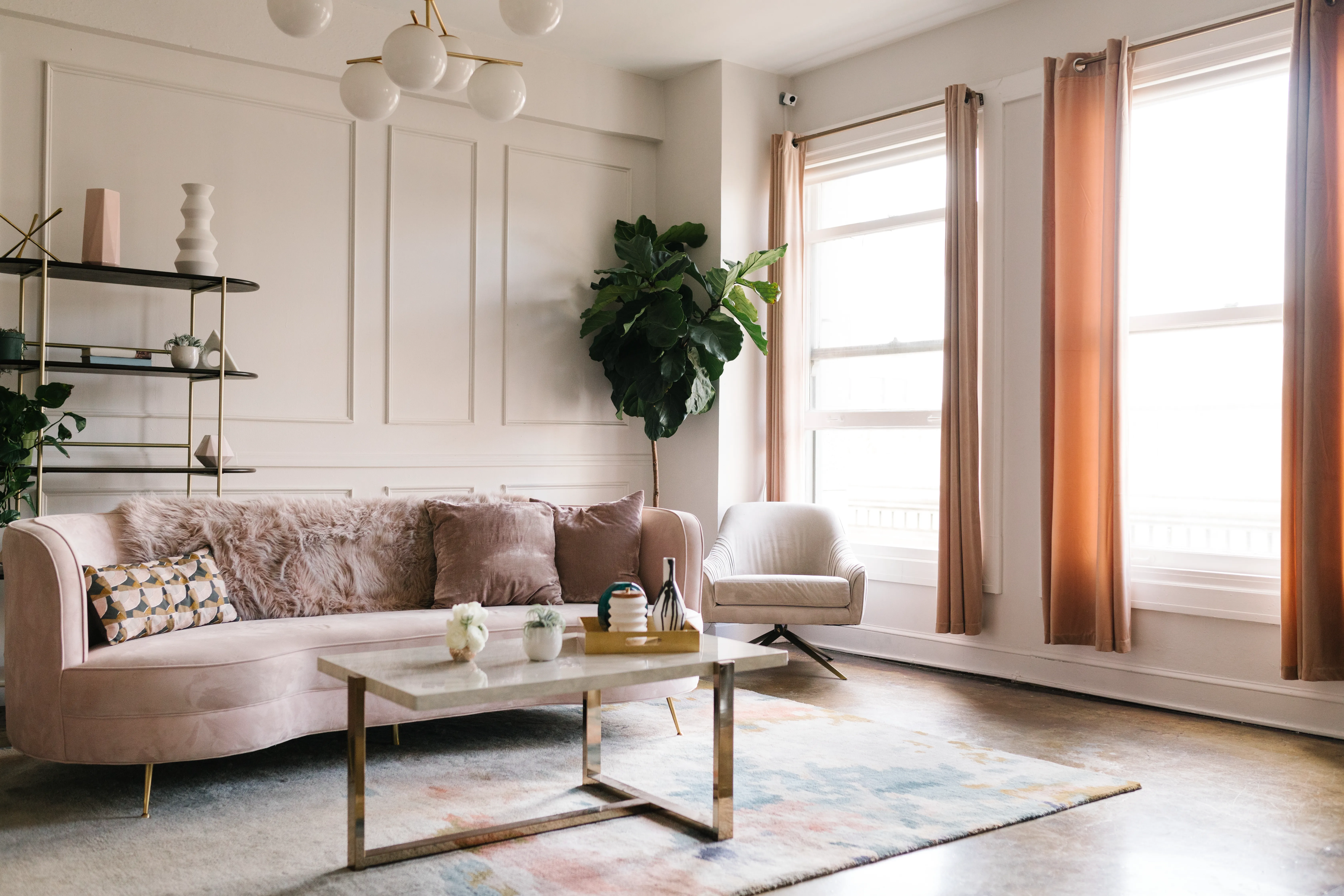
Photography by Giving Campaign Contributors
Published
June 18, 2026
Reading Time
5 min read
Not every home improvement needs to involve builders, skip bins, or a significant budget. Some of the most effective changes you can make to a living space are the ones that quietly shift how a room feels without drawing attention to themselves. Here are five upgrades that consistently deliver more than people expect.
1. Swapping out door handles and cabinet hardware
It sounds minor, but the hardware in a room acts like punctuation. Old brass handles on kitchen cabinets or a dated chrome door knob on an otherwise smart interior can undermine the whole look without you quite being able to put your finger on why. Replacing handles, hinges, and hooks with something cohesive pulls a room together in a way that feels deliberate. Browsing a specialist range of architectural door and cabinet hardware is a good starting point, with finishes ranging from brushed nickel and matte black through to aged brass, making it straightforward to find something that ties a room together without requiring a full redesign.
2. Frosted window film on glass panels and doors
Glass panels in interior doors, bathroom windows, and office partitions often go overlooked, but they have a real effect on how private and polished a space feels. Professional frosted window film installation is one of the more underrated interior upgrades available, offering a clean, contemporary finish that diffuses light without blocking it entirely. It is a practical solution for bathrooms, home offices, and any room where you want to soften sightlines without putting up a wall or replacing the glass outright.
3. Improving the lighting layers in a room
Most rooms rely on a single overhead light source, which tends to flatten the space and make it feel functional rather than inviting. The principle of layered interior lighting, combining ambient, task, and accent sources, is well established in interior design, and the difference it makes in a real room is hard to overstate. Adding a floor lamp in a corner, under-cabinet lighting in a kitchen, or a wall light beside a bed does not require rewiring in most cases, and the shift from one flat light source to several considered ones is one of the most effective things you can do for any room.
4. Refreshing or replacing internal doors
Internal doors are one of those things people live with for years without questioning. A hollow-core door with a plastic handle can date a room considerably, even when everything else has been updated around it. Refreshing the furniture alone can make an older door look far more intentional, but if budget allows, upgrading to solid core internal doors makes a noticeable difference to acoustic comfort between rooms as well as the overall feel of the space. Standard and made-to-measure sizing is widely available, making it easier to find something that fits without having to commission bespoke work.
5. Painting the ceiling a colour
The ceiling is the one surface in a room that almost everyone leaves white by default. Painting it even a subtle version of the wall colour, or a contrasting deeper shade, immediately makes the space feel more considered and cohesive. It is particularly effective in rooms with lower ceilings, where a warm tone can make the space feel cosy rather than cramped. Exploring ceiling paint colour ideas is a useful way to experiment before committing, and the effect, especially when paired with good layered lighting, is consistently one of the most remarked-upon changes in any room refresh.
The common thread across all of these upgrades is that they address the details most people overlook. A room does not always need more space or a full redesign. Sometimes it just needs the smaller things brought up to the same standard as everything else.
Giving Campaign Editorial
Reporting on independent commerce and local economies. Previously covered retail trends for national publications.
More stories by this author