4 Ways Custom Banquette Seating Can Maximize Space
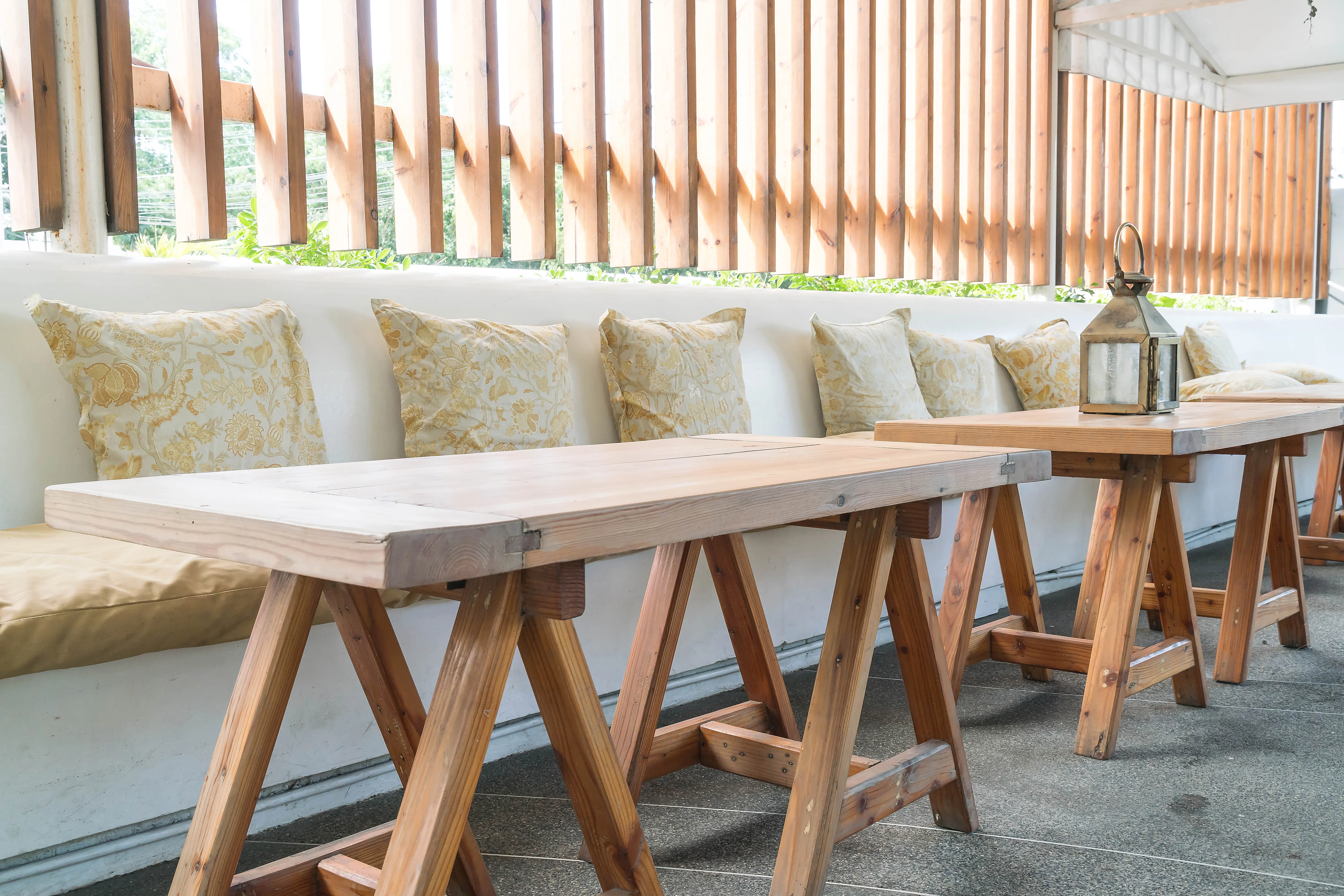
Photography by Giving Campaign Contributors
Published
June 17, 2026
Reading Time
5 min read
The Quiet Craft Behind Britain's Best Built-In Kitchens
Walk into any newly renovated kitchen-diner across the country and there is a good chance you will find a built-in bench tucked into a corner, running the length of a window, or wrapped neatly around an island. Behind almost every one of these installations sits a small, often family-run workshop, the kind of business that rarely makes headlines but quietly shapes how thousands of British homes actually live and breathe. As open-plan kitchens continue to serve as the social heart of the home, it is these independent upholsterers and joiners, working away from the spotlight, who are solving a problem that standard tables and loose chairs simply cannot: how to seat a family comfortably without losing the room to clutter.
Here are four ways that custom banquette seating is changing the shape of the British home, and the local trades behind each one.
1. Creating a Cosy Kitchen Breakfast Nook
The classic L-shaped corner banquette turns a once-dead architectural junction into the most inviting seat in the house. Fixing the bench directly against two intersecting walls removes the awkward dead space that freestanding furniture always seems to leave behind, creating a contained, intimate nook for morning coffees, school-day breakfasts, or a quiet spot to work through emails. Paired with a circular pedestal table, it is a configuration that gives a busy kitchen room to breathe while still keeping everyone close together.
2. Streamlining High-Traffic Open-Plan Living
In larger, multi-purpose rooms where cooking, lounging and entertaining all happen within sight of one another, marking out separate zones without building walls can be tricky. A straight, low-backed bench set against a rear island or a partial partition does the job subtly, holding the sight lines open while still giving the dining area its own sense of place. For anyone wanting to see how other households have approached this kind of layout, browsing real kitchen-diner projects online is well worth doing, offering a genuinely useful look at how families across the country are blending cooking and entertaining spaces without sacrificing flow.
3. Embracing Window Bay Views and Natural Light
There is something particularly satisfying about a bench built to follow the line of a window bay or a run of garden doors. Because the frame is fixed rather than freestanding, it can sit flush beneath a low sill without blocking light or crowding the floor with chair legs, turning what might have been an awkward stretch of wall into the natural gathering point of the room.
4. Maximising Value with Integrated Sub-Seat Storage
One of the most practical reasons families choose built-in seating over loose furniture is what happens underneath it. Lift-up bases and deep pull-out drawers turn unused space beneath the cushions into a proper home for seasonal kit, bulky appliances, table linen or the endless tide of children's toys. It is the kind of detail that separates a good installation from a brilliant one, and it tends to come from workshops that build for restaurants and commercial venues as well as homes. South East homeowners taking on a project of this scale often find it worth speaking to a bespoke banquette seating specialist, whose background in restaurant-grade frames means the heavy daily use a family kitchen demands is built in from the start, without ever compromising on finish.
Choosing the Ideal Padding and Finish for Longevity
Getting the comfort right is just as much a craft as getting the joinery right. The foam density beneath the cushion and the fabric laid over the top need to be specified with real care if the seating is going to hold its shape through years of family life rather than just a few months of it. This is where smaller, specialist upholstery workshops tend to come into their own. Specialist workshops focusing on banquette seating upholstery bring a level of attention to deep buttoning, fluted panelling and clean stitch lines that larger furniture suppliers rarely match, working in stain-resistant velvets, supple leathers and textured weaves chosen to suit the room rather than simply what is in stock.
It is easy to overlook the people behind a built-in bench. There is no brand name stitched into the cushion, no shopfront most of us will ever walk past. But scratch the surface of almost any well-loved British kitchen and you will usually find an independent workshop somewhere in its story, doing the kind of careful, unglamorous work that makes a house feel like a home.
Giving Campaign Editorial
Reporting on independent commerce and local economies. Previously covered retail trends for national publications.
More stories by this author