4 Bespoke Design Elements That Elevate the Modern Luxury Kitchen
Photography by Giving Campaign Contributors
Published
June 17, 2026
Reading Time
5 min read
The Hidden Hands Shaping Britain's Most Luxurious Kitchens
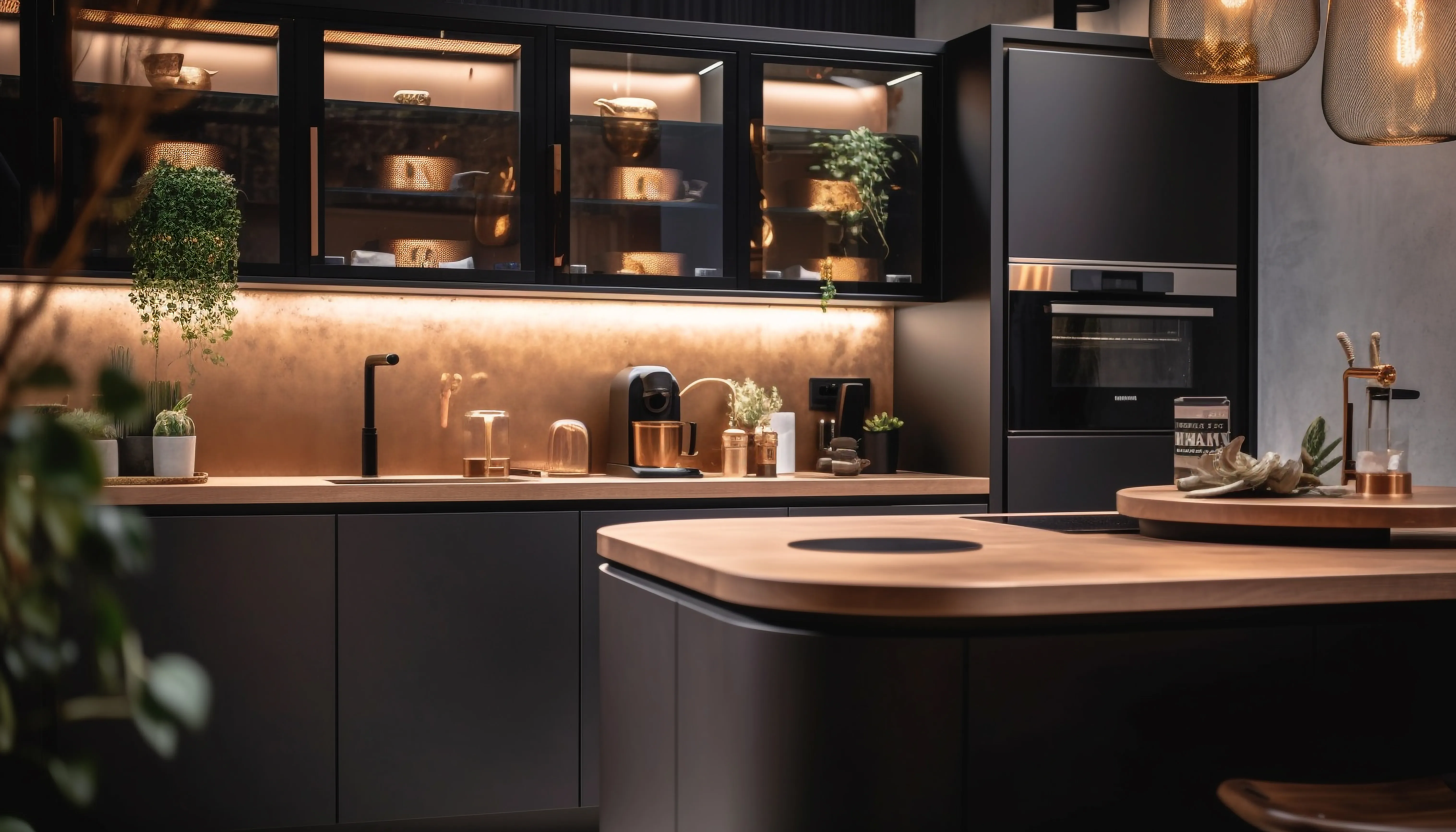
The modern kitchen has long since outgrown its original, purely functional role. Today it stands as the architectural anchor of the home, doubling as social hub, informal dining room and creative workspace all at once. When homeowners take on a high-end renovation, generic modular cabinetry rarely rises to the occasion, feeling restrictive just where a kitchen needs to feel personal. What tends to make the real difference is a tailored, architectural approach, and behind nearly every standout version of this sits a small team of specialists, joiners, cabinetmakers and independent workshops, doing precise, painstaking work that most visitors will never think twice about. Here are four design elements currently defining the luxury kitchen, and the trades quietly making them possible.
1. Integrated Breakfast Larders and Hidden Pantries
Cluttered worktops are the enemy of a calm, considered kitchen. To keep surfaces clear without losing daily practicality, luxury layouts increasingly rely on full-height, double-door breakfast larders built into the cabinetry itself. These bespoke internal structures come with integrated power sockets, solid oak shelving and internal stone worktops, letting coffee machines, blenders and toasters stay plugged in and ready to use, yet entirely out of sight the moment the doors close.
2. Strategic Ergonomics and Energy-Efficient Layouts
A genuinely luxurious kitchen has to work as well as it looks. That means careful spatial planning to coordinate the flow between preparation zones, cooking areas and refrigeration, and it means choosing major appliances that perform well on both function and efficiency. Anyone weighing up induction technology or lower-energy cooling appliances for this kind of layout will find independent appliance testing guides from Which? genuinely useful, offering the sort of impartial comparison that helps homeowners invest with confidence rather than guesswork.
3. Oversized Multi-Functional Statement Islands
The kitchen island has become the true focal point of residential design, and it shows in how ambitious these installations have grown. Rather than a simple prep surface, today's statement islands are substantial, multi-level pieces that pair raw natural stone with warm, tactile hardwood, often built by joiners working to exact specification rather than off a standard template. Many now house integrated wine coolers, pop-up sockets and down-draft induction hobs, turning a single piece of furniture into both a serious culinary workstation and a relaxed gathering point for family and guests.
4. Mixed-Material Cabinetry and Textural Contrasts
Single-colour, monolithic kitchens are giving way to richer, layered combinations of material and tone. Hand-painted Shaker cabinetry sits against highly figured marble splashbacks or dark architectural metal, a contrast that takes real skill to get right by hand. Homeowners in the North of England exploring this kind of layered finish are increasingly turning to an established Yorkshire cabinetmaking workshop, where traditional craft heritage is put to work alongside contemporary materials to build hand-painted kitchens designed to hold their character for decades, not just until the next trend cycle.
Sourcing Dedicated Workshop Craftsmanship
A truly original kitchen layout asks for a level of precision that standard manufacturing simply is not built for. Getting every dovetail joint, cabinet door and drawer runner exactly right, especially in a period property with uneven floors or awkward architectural quirks, takes the kind of hands-on attention that only comes from a dedicated workshop. It is this need that sends many discerning homeowners to Makers Furniture, where bespoke pieces are built entirely by hand to fit the room exactly as it is rather than how a catalogue assumes it should be, resulting in a kitchen built to function flawlessly for a lifetime.
Few people who walk into a finished kitchen ever think about the workshop it came from. But behind the marble, the oak and the hand-painted cabinetry, there is almost always a small independent business somewhere in Britain, quietly doing the kind of careful work that turns a renovation into a home.
Giving Campaign Editorial
Reporting on independent commerce and local economies. Previously covered retail trends for national publications.
More stories by this author